An accident on a downward slope, a heavy cart, and a worker with a fractured leg. This isn’t a hypothetical scenario; it’s a real story from a factory floor. The cause? Casters without brakes.
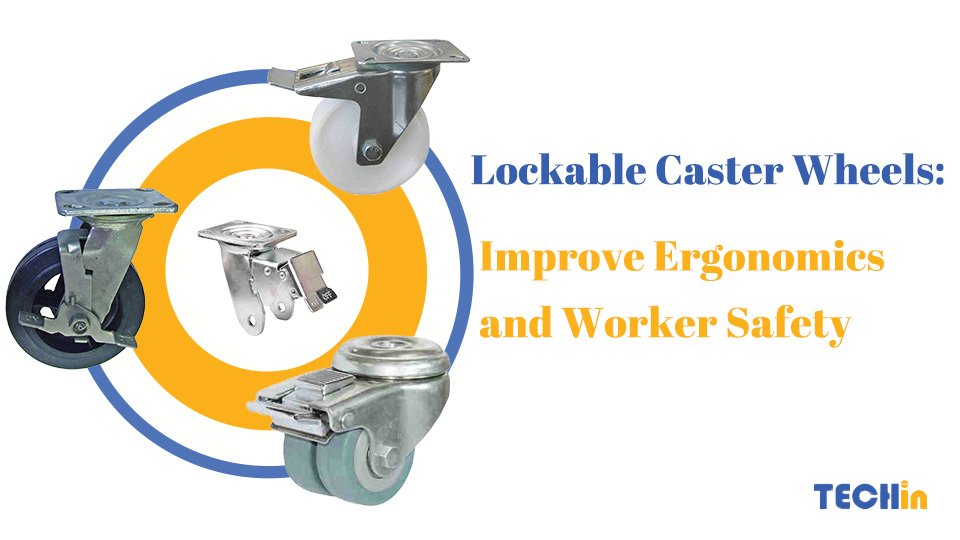
Lockable caster wheels, also known as locking casters or brake casters, are specialized wheels with a built-in mechanism to stop movement. They provide controlled mobility, allowing you to move equipment when needed and then securely lock it in place for stability and safety.
This incident was a harsh reminder for me. In our 20 years in the caster industry, we’ve always known that a small brake can make a huge difference. It’s not just about preventing carts from rolling away; it’s about protecting people. This experience solidified my commitment to ensuring every client understands the critical role of the right braking system for their specific needs. It’s about creating a safer work environment for everyone.
What are lockable castor wheels?
Feeling frustrated when equipment, like a heavy cart or a medical trolley, won’t stay put? This constant, unwanted movement can be a major safety hazard and a drag on productivity.
Lockable caster wheels are designed to solve this problem. They are wheels equipped with a locking mechanism that, when engaged, prevents the wheel from rolling, and in some cases, from swiveling. This feature provides crucial stability and safety in various environments.
When I first started in this business, I saw lockable casters as a simple add-on. But a visit to a client’s workshop changed my perspective. They were using heavy tool chests on wheels, and the constant shifting was not just annoying, but dangerous. The simple act of adding total lock casters transformed their workspace. The chests were mobile when needed and rock-solid stationary during use. This firsthand observation showed me that these aren’t just wheels; they’re essential safety components. They are used everywhere, from industrial machinery and medical carts to office furniture and retail displays, to ensure equipment stays firmly in place when needed.
Key Features of Lockable Caster Wheels:
- Mobility and Stability: They offer the flexibility to move heavy objects easily and then secure them in a fixed position.
- Enhanced Safety: By preventing unintended movement, they significantly reduce the risk of accidents and injuries.
- Versatility: These casters are available in numerous sizes, materials, and load capacities to suit a wide range of applications across different industries.
What are the Benefits of Lockable Castor Wheels?
Tired of equipment rolling away at critical moments? This instability not only disrupts workflow but also poses a significant safety risk to workers, potentially leading to accidents and injuries.
Lockable caster wheels provide a simple yet effective solution by offering enhanced stability and improved safety. By locking the wheels in place, you can prevent accidental movement, which is crucial in environments where precision and safety are paramount.
I remember a conversation with a hardware supermarket buyer, Lenu from Italy. He was initially skeptical about the added cost of lockable casters for their stocking carts. A few months after his purchase, he called me. He told me that the number of minor accidents from runaway carts had dropped to zero. His employees felt safer and worked more efficiently. This real-world feedback highlights that the benefits go far beyond just holding equipment in place; they contribute to a more productive and secure work environment.
The Core Advantages:
| Benefit | Description | Impact on Business |
|---|---|---|
| Enhanced Safety | Prevents accidental movement of equipment, reducing the risk of collisions, injuries, and property damage. | Fewer workplace accidents, lower liability, and a safer environment for employees. |
| Improved Stability | Provides a stable base for equipment, especially on uneven surfaces or during loading and unloading. | Increased precision for tasks, reduced risk of equipment tipping over. |
| Increased Efficiency | Allows for quick and easy positioning and securing of equipment, saving time and effort. | Smoother workflow, less time wasted on repositioning, leading to higher productivity. |
| Versatility | Can be used across a wide range of industries, including healthcare, manufacturing, retail, and hospitality. | A single solution for mobility and stability needs across different departments and applications. |
| Peace of Mind | Knowing that equipment is securely locked in place provides confidence and reduces workplace anxiety. | A more focused and less stressed workforce. |
What are three types of lockable castor wheels?
Choosing a lockable caster seems simple, but picking the wrong type can lead to frustration. A brake that only stops the wheel from rolling won’t prevent a cart from swiveling out of place.
The three main types of lockable casters are the total lock, side lock, and dual brake. Each offers a different level of control. A total lock brake is considered the most stable, as it secures both the wheel and the swivel mechanism simultaneously.
A purchasing manager from Germany, Hans, once shared a specific challenge with me. His company manufactured high-precision material handling equipment. They needed casters that could be moved smoothly but then locked completely, with zero wobble, for delicate operations. A simple side lock wasn’t enough. We supplied them with total lock casters, which lock both the wheel’s roll and the caster’s swivel. This provided the absolute stability they required, meeting their stringent German quality standards. This experience taught me how crucial it is to match the brake type to the specific application.
Breaking Down the Brakes:
| Brake Type | How it Works | Best For |
|---|---|---|
| Total Lock | A single pedal or lever locks both the wheel’s rotation and the caster’s swivel action at the same time. | Maximum stability is required. Ideal for workstations, medical equipment, and heavy machinery where no movement is critical. |
| Side Lock | A lever on the side of the caster applies pressure directly onto the wheel’s tread to stop it from rolling. The swivel is not affected. | Situations where preventing rolling is the main concern, and some swivel movement is acceptable. Common on utility carts and furniture. |
| Dual Brake | This term can sometimes be used interchangeably with total lock brakes. It refers to systems that lock two separate mechanisms, typically the wheel and the swivel. | Applications needing a secure, two-action locking system for enhanced safety and stability. |
How Lockable Caster Wheels Improve Ergonomics and Worker Safety?
Pushing and pulling heavy carts all day leads to strain and fatigue. An unsecured load on a slight incline can quickly become a dangerous hazard, leading to serious workplace injuries.
Lockable caster wheels are crucial for workplace safety and ergonomics. They prevent unintended movement, reducing the risk of accidents. Ergonomically, they allow workers to secure heavy loads easily, minimizing physical strain and preventing overexertion injuries.
The story I shared at the beginning, about the worker whose leg was fractured by an runaway cart, is a stark reminder of what’s at stake. That incident happened because the cart’s casters had no brakes. By simply adding lockable casters, especially on equipment used on slopes or uneven floors, such accidents are preventable. It reduces the physical effort needed to hold a cart steady, which directly impacts worker well-being. Providing ergonomic solutions like casters with accessible foot brakes shows a commitment to employee safety, which managers like Hans in Germany highly value. It’s not just about compliance; it’s about creating a fundamentally safer and more efficient workplace.
Safety and Ergonomics in Action:
- Preventing Unintended Movement: The primary safety benefit is securing equipment in place. This is a specific requirement under OSHA standards for mobile platforms, which states they must have a system to prevent horizontal movement when in use. This prevents carts from rolling into people or other objects, especially during loading or unloading.
- Reducing Physical Strain: Ergonomic casters, including those with easy-to-use locking mechanisms, reduce the force required to move and control heavy loads. Instead of fighting to keep a cart still, a worker can simply engage the brake with their foot, reducing the risk of musculoskeletal injuries.
- Enhancing Stability and Control: When a cart is locked, it becomes a stable workstation. This is vital in medical settings for patient safety or in industrial workshops for precise tasks. It gives the worker better control over their environment, minimizing the risk of tipping or sudden jolts.
How to choose right lockable castor wheels for your business?
Choosing the wrong caster can lead to damaged floors, workplace accidents, or equipment failure. A caster that’s perfect for a light office chair will fail dangerously under a heavy industrial cart.
To choose the right lockable caster, you must consider the load capacity, floor type, and environmental conditions. Ensure the caster’s capacity exceeds your maximum load and that the wheel material is compatible with your floor surface to prevent damage.
I often guide clients like Lenu and Hans through this selection process. For Lenu in Italy, whose main concern is quality within a budget for industrial carts on concrete floors, I’d recommend a durable polyurethane wheel on a steel caster with a total lock brake. For Hans in Germany, who needs to meet stringent standards for heavy machinery, a heavy-duty forged steel caster with a robust locking mechanism would be more appropriate. The key is to analyze the specific application. Don’t just think about the weight; think about how often it moves, the surface it rolls on, and the safety level required.
Key Selection Criteria:
| Factor | Considerations | Recommendations |
|---|---|---|
| Load Capacity | Always calculate the required capacity by dividing the total weight of the equipment by the number of casters, then add a safety margin. For 4 casters, divide the total weight by 3. | Select casters with a load capacity greater than your calculated requirement to prevent failure. |
| Floor Surface | The wheel material should protect your floor and provide appropriate traction. | – Hard Floors (Concrete, Tile): Use softer wheels like rubber or polyurethane to reduce noise and prevent scratches. – Soft Floors (Carpet): Harder wheels like nylon work well. – Rough/Uneven Surfaces: Pneumatic or large-diameter polyurethane wheels offer shock absorption. |
| Environment | Consider exposure to chemicals, moisture, or extreme temperatures. | – Wet/Humid: Stainless steel casters resist rust. – Chemicals: Polyurethane or nylon wheels offer good resistance. – High Temperatures: Phenolic or cast iron wheels are suitable. |
| Brake Type | Choose the locking mechanism based on your safety and stability needs. | – Maximum Stability: Total lock brake. – Basic Roll Prevention: Side lock brake. |
Maintenence tips of lockable castor wheels
Neglected casters can become a liability. A buildup of debris can jam the lock, or a lack of lubrication can make them hard to engage, compromising the safety they’re meant to provide.
Regular maintenance is key. You should frequently clean the casters and the locking mechanism to remove dirt and debris, lubricate moving parts like bearings and swivel joints, and routinely inspect for wear and tear.
I always emphasize to my clients that proper maintenance extends the life of their casters and ensures they function safely. A simple schedule can prevent major problems. For example, in a busy warehouse, a quick weekly wipe-down to remove debris and a monthly check for loose bolts and lubrication can make all the difference. It prevents the buildup that causes locks to fail and wheels to jam. This proactive approach not only saves money on replacements but, more importantly, ensures the safety mechanisms are reliable when your workers need them most.
Simple Maintenance Checklist:
- Regular Cleaning:
- Wipe down the wheels and caster housing regularly to remove dirt, dust, and grime.
- Pay special attention to the locking mechanism, ensuring it is free of obstructions that could prevent it from engaging properly.
- Remove any string, hair, or other debris wrapped around the axle.
- Consistent Lubrication:
- Apply a suitable lubricant to the wheel bearings, axle, and swivel raceway every few months, or more often in harsh environments.
- This reduces friction, ensures smooth operation, and makes the lock easier to engage and disengage.
- Routine Inspection:
- Check for any signs of wear or damage, such as cracks in the wheel or a bent frame.
- Ensure all nuts, bolts, and other fasteners are securely tightened.
- Test the locking mechanism to confirm it engages securely and holds firm. If it’s loose or worn, it may need replacement.
Conclusion
In short, lockable caster wheels are a small feature with a huge impact. They are essential for improving workplace ergonomics and, most importantly, for preventing accidents and ensuring worker safety.