Ordering the wrong size castor can shut down your whole operation. This frustrating mistake costs you time and money. I’m here to show you how to measure correctly the first time.
To measure a castor wheel, you need four key specs: wheel diameter (distance across the center), wheel width (tread surface), overall height (floor to mounting plate), and mounting dimensions. For plate castors, this includes the plate size and bolt hole spacing. For stem castors, it’s the stem’s diameter and length.
I’ve been in the castor business for 20 years, and I’ve seen it all. A simple measurement error can lead to big problems, from wobbly carts to damaged equipment. But don’t worry, getting it right is easier than you think. I’m going to walk you through every step, just like I do with my best clients. We’ll make sure you have the confidence to order the exact castor you need, every single time. Let’s get your equipment rolling smoothly and safely.
What size are castor wheels?
Confused by all the numbers on a castor spec sheet? It can feel overwhelming. I’ll show you what each number means so you can order with complete confidence.
Castor wheel “size” is not just one number. It mainly refers to the wheel’s diameter, but also includes the wheel’s width, the castor’s overall height, and its load capacity. These specifications together determine if the castor will fit your equipment and perform correctly under load.
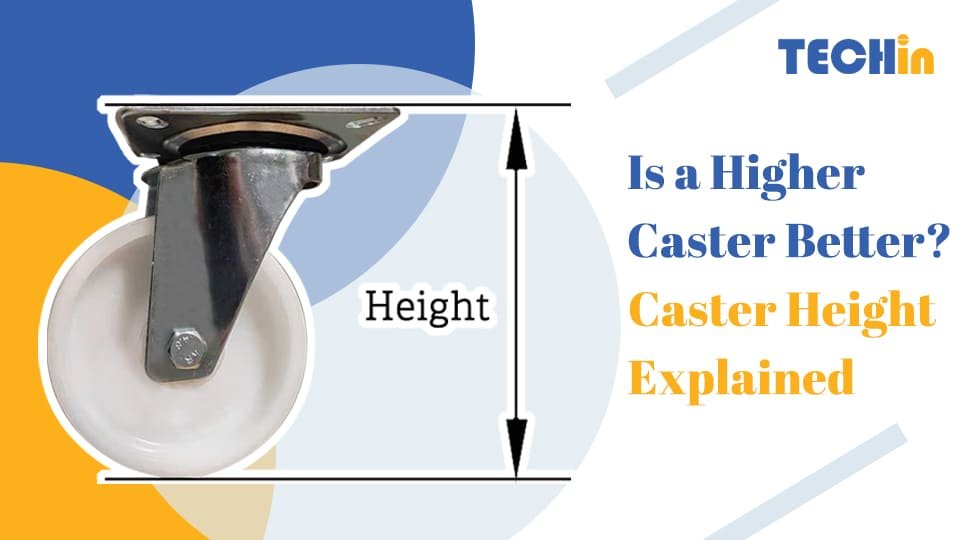
When we talk about the size of a castor, the first thing most people think of is the wheel diameter. This is the distance straight across the center of the wheel. A larger wheel generally rolls over obstacles and cracks more easily, which is why you see large 8-inch wheels on heavy industrial carts used on rough factory floors. For a piece of office furniture, a small 2-inch wheel is often enough. But diameter is only part of the story. The wheel width, or tread width, is the part that touches the floor. A wider wheel can distribute weight better and be gentler on sensitive flooring. Then there’s the overall height, which is the total vertical distance from the floor to the very top of the mounting plate. This is critical to keep your equipment level. Finally, and perhaps most importantly, is the load capacity. This tells you the maximum weight each castor can safely support. All these “sizes” work together to define the castor’s performance.
How to tell the size of castor wheels?
Have an old castor but no part number? Guessing the size is a big risk. I’ll guide you through identifying the key dimensions on any castor, new or old.
First, check the wheel or metal fork for any stamped numbers indicating the size. If there are none, you must measure the key specifications. These include the wheel diameter, wheel width, overall height, and the details of the mounting system (plate dimensions or stem size).
Over my 20 years in this business, I’ve learned that you can’t rely on guesswork. The first place I always tell my clients to look is on the side of the wheel or the metal housing. Sometimes, the diameter and width are stamped right there. But often, especially on older, worn castors, these markings are gone. That’s when you have to measure. I’ll break down the most critical specs you need to identify.
- Wheel Diameter & Width: This is the most basic size identifier.
- Overall Height: This ensures your equipment stays level after replacing the castor.
- Mounting System: Is it a flat top plate or a stem? This is a crucial difference.
- Top Plate Dimensions: If it has a plate, you need its length and width, plus the distance between the bolt holes.
- Swivel Radius: This is the clearance needed for a swivel castor to turn 360 degrees. A client once ignored this and his new carts couldn’t turn properly because the wheels hit the cart’s edge.
- Offset: The distance between the wheel’s centerline and the swivel’s centerline. This affects how easily the castor turns and is a detail my German clients, like Hans, always check for their high-performance equipment.
How do I know what size castors I need?
Choosing the right castor size feels complex, and a wrong choice can break your equipment. Let’s simplify the selection process to ensure your equipment is safe and performs perfectly.
To find the right size, first calculate your required load capacity. Divide the total weight of your cart and its load by three. This provides a safety margin. Then, consider your floor conditions and how easily you need the equipment to move.
Selecting the right castor is a process I walk my clients through every day. The most critical factor is safety, which starts with load capacity. Take the total weight of your equipment plus the heaviest load it will ever carry. If you are using four castors, you should divide that total weight by three, not four. Why? Because floors are rarely perfectly flat. At any given moment, one wheel might be off the ground or carrying less weight, putting extra stress on the other three. This safety calculation is something I insist on with clients like Lenu in Italy, who needs both quality and cost-effectiveness. A failed castor is far more expensive than buying the correct capacity from the start. Once you have your minimum load capacity, think about your environment. Are you rolling on a smooth, clean floor or a rough, cracked concrete surface? For rough surfaces, you need a larger diameter wheel to roll over imperfections easily. For smooth floors where you want to protect the surface, a smaller, softer wheel might be better.
What are the common sizes of castor wheels?
Wondering what sizes are standard in the industry? Knowing common sizes helps you find replacements faster. I’ll share the most typical dimensions we manufacture for different applications.
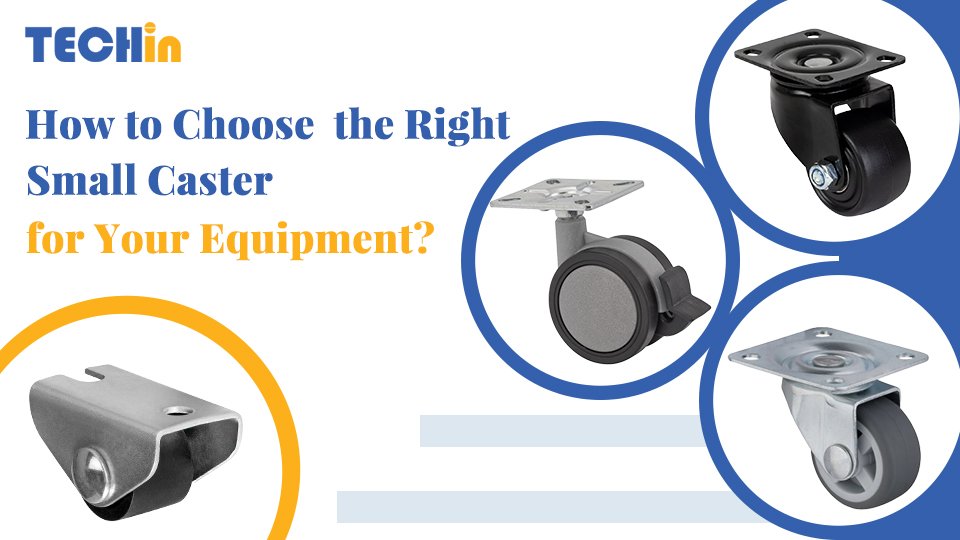
Common sizes vary by application. For office furniture, 50mm (2-inch) wheels are standard. Apparatus and medical carts typically use 75mm to 125mm (3 to 5 inches). Industrial castors for trolleys and carts range from 100mm to 200mm (4 to 8 inches).
In the European market, we see very consistent demand for certain sizes based on the application. This makes sourcing much easier if you know what to look for. For example, a purchasing manager like Hans, who buys heavy-duty castors in Germany, will almost always be looking for wheels in the 150mm to 200mm range for his material handling equipment. These larger sizes are industry standards for durability and moving heavy loads. On the other hand, for light-duty applications like store displays or office equipment, much smaller sizes are the norm. Having a general idea of these standards can save you a lot of time. Here is a table that breaks down the common sizes we produce for our clients across Europe.
| Application | Common Diameter Range | Common Wheel Width | Typical Mounting |
|---|---|---|---|
| Office Chairs & Furniture | 50mm – 75mm (2″ – 3″) | 20mm – 25mm | Grip Ring Stem |
| Apparatus / Medical Carts | 75mm – 125mm (3″ – 5″) | 25mm – 32mm | Top Plate or Threaded Stem |
| Medium Industrial Carts | 100mm – 150mm (4″ – 6″) | 32mm – 50mm | Top Plate |
| Heavy-Duty Industrial | 150mm – 200mm (6″ – 8″) | 50mm | Top Plate |
What tools I need to measure the castor wheels?
Using the wrong tool can give you the wrong measurement. This simple mistake can cause big problems. Let’s look at the best tools for getting accurate results every time.
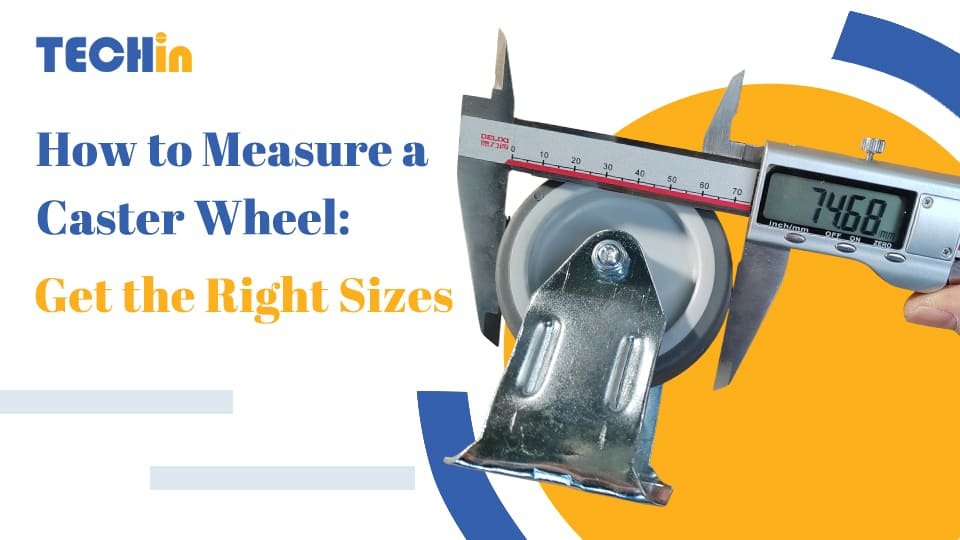
For the most accurate measurements, a digital caliper is the best tool. It provides precise readings for wheel diameter, width, and bolt hole sizes. A simple tape measure or ruler can work for rough estimates but is not recommended for professional B2B orders.
How to Measure Castor wheels specs?
You have the right tools, so now what is the right technique? Measuring seems simple, but small errors matter. I will show you the correct way to measure each specification.
Measure the wheel diameter across its center point. Measure tread width across the wheel’s contact surface. Measure overall height from a flat floor to the mounting plate’s top. For plate castors, measure the plate itself and the bolt holes from center-to-center.
Let’s get this done right. Follow these steps exactly, and you will have all the information you need to order a perfect replacement.
1. Measuring the Wheel
- Wheel Diameter: Lay the castor on its side. Place your caliper or ruler across the widest part of the wheel, making sure you pass through the exact center. Note this measurement. Remember that a worn wheel might be smaller than its original size, so you may need to round up to the nearest standard dimension (e.g., 95mm is likely a worn 100mm wheel).
- Tread Width: Stand the wheel up. Measure the width of the surface that makes contact with the ground.
2. Measuring the Assembly
- Overall Height: Stand the castor upright on a flat surface. Measure the vertical distance from the surface to the very top of the mounting plate. If there is a brake, make sure you are measuring to the plate, not the brake pedal unless it protrudes above the plate.
3. Measuring the Mounting
This depends on the type of castor you have.
- Top Plate Mount:
- Plate Size: Measure the length and width of the flat top plate.
- Bolt Hole Spacing: This is the most critical measurement. Measure from the center of one bolt hole to the center of the next one, both for the length and the width.
- Stem Mount:
- Stem Diameter: Use your caliper to get an exact measurement of the stem’s thickness.
- Stem Length: Measure the length of the stem from where it leaves the castor housing to its tip.
Conclusion
Getting the right castor measurement is simple with the right tools and knowledge. Follow these steps carefully to ensure you order the perfect fit for your equipment every time.