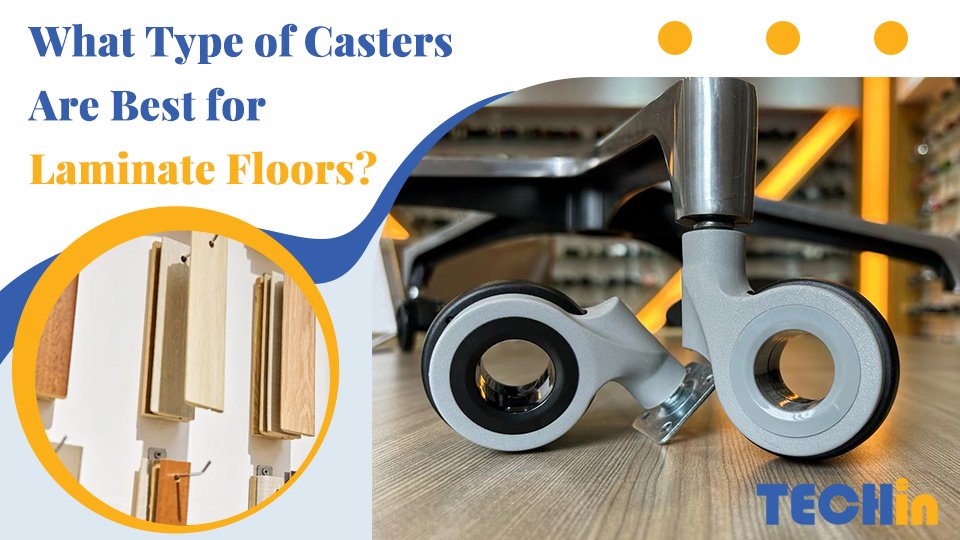
Your beautiful laminate floor has ugly scratches from chair wheels. These marks are permanent and costly to fix. Choosing the right caster wheel material is the simple solution to protect your investment.
Soft tread casters made from materials like rubber, polyurethane (PU), or thermoplastic rubber (TPR) are best for laminate floors. These materials are gentle, absorb shock, roll quietly, and prevent the scratches and scuffs that hard plastic wheels often cause. They protect the floor’s delicate top layer.
I’ve been in the caster business for 20 years. Many of my clients in Europe, especially in Germany and Italy, ask me about protecting their floors. Laminate is a popular choice because it looks great and is durable. But it has a weak spot. The wrong casters can ruin it very quickly. This is a common problem for both office managers and homeowners.
You need to understand both the floor and the caster to make the right choice. A little knowledge here can save you a lot of money and frustration later. Let’s look at the details so you can keep your floors looking new.
What Type of Casters Are Suitable for Laminate Floors?
You installed a new laminate floor, but now you worry about every roll of your chair. The fear of creating a permanent scratch is real. You need casters that glide smoothly without causing damage.
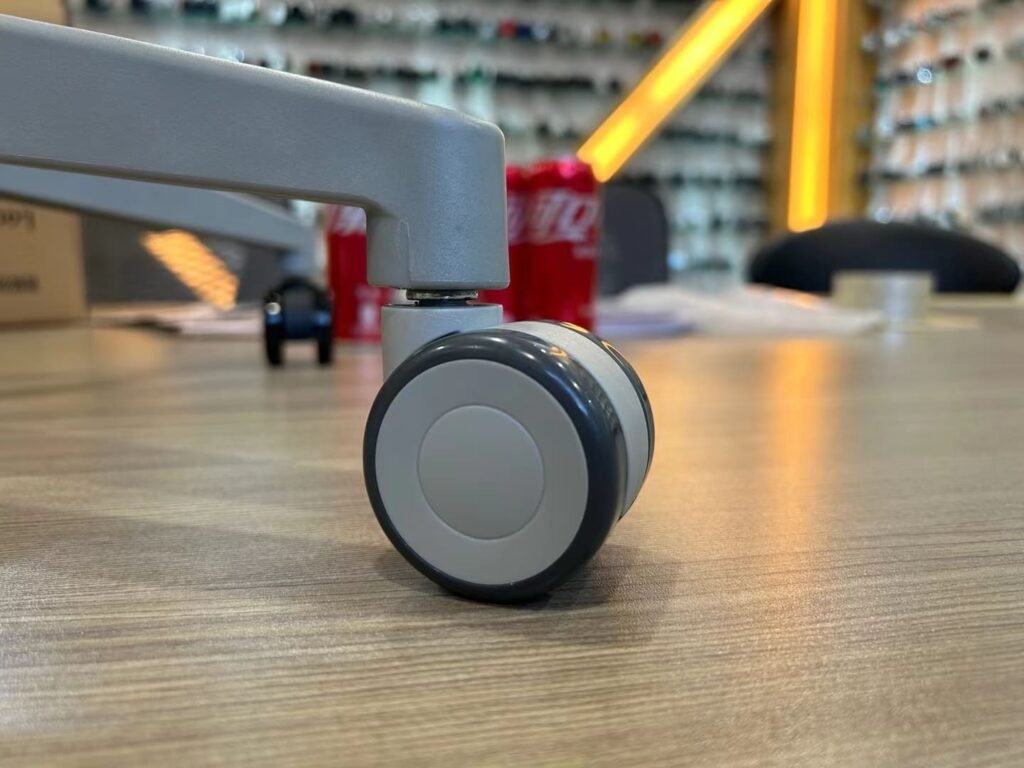
Casters with soft, non-marking treads are suitable for laminate floors. Materials like rubber, polyurethane (PU), super artificial rubber, and thermoplastic rubber (TPR) are excellent choices. They provide grip, roll quietly, and protect the floor’s surface from scratches and scuffs, ensuring its longevity.
20260214-1
To understand why certain casters work well, we must first understand the floor itself. Laminate flooring is a multi-layer product. It has a tough, wear-resistant top layer, but underneath is a core of high-density fiberboard. This structure makes it strong against daily friction but vulnerable to two things: sharp pressure and water. The wrong caster wheel acts like a tiny, sharp pressure point, rolling over the surface again and again. This can easily scratch the top layer or even dent the core over time.
Based on my experience, here are the caster types that I recommend to my clients for use on laminate.
- Rubber Casters: These are soft and elastic. They absorb shock very well and are very quiet. They are perfect for lighter furniture in homes and offices where noise is a concern.
- Polyurethane (PU) Casters: This is a very popular choice. PU is more durable than rubber and resists wear very well. It rolls smoothly and won’t leave marks. It’s great for office chairs, display racks, and medium-weight equipment.
- Thermoplastic Rubber (TPR) Casters: TPR combines the best of both worlds. It has the quiet, soft roll of rubber but is more durable. We often supply these for high-end furniture and medical equipment where floor protection is the top priority.
What Casters Are Best for Laminate Floors?
You want the absolute best protection for your floor, not just something that is “good enough.” With so many options, how do you pick the one that guarantees no damage?
The best casters are soft polyurethane (PU) or thermoplastic rubber (TPR) wheels. They offer the ideal balance of durability and softness. They roll silently, are non-marking, and distribute weight effectively to prevent scratches and dents on delicate laminate surfaces. They are the top choice for protection.
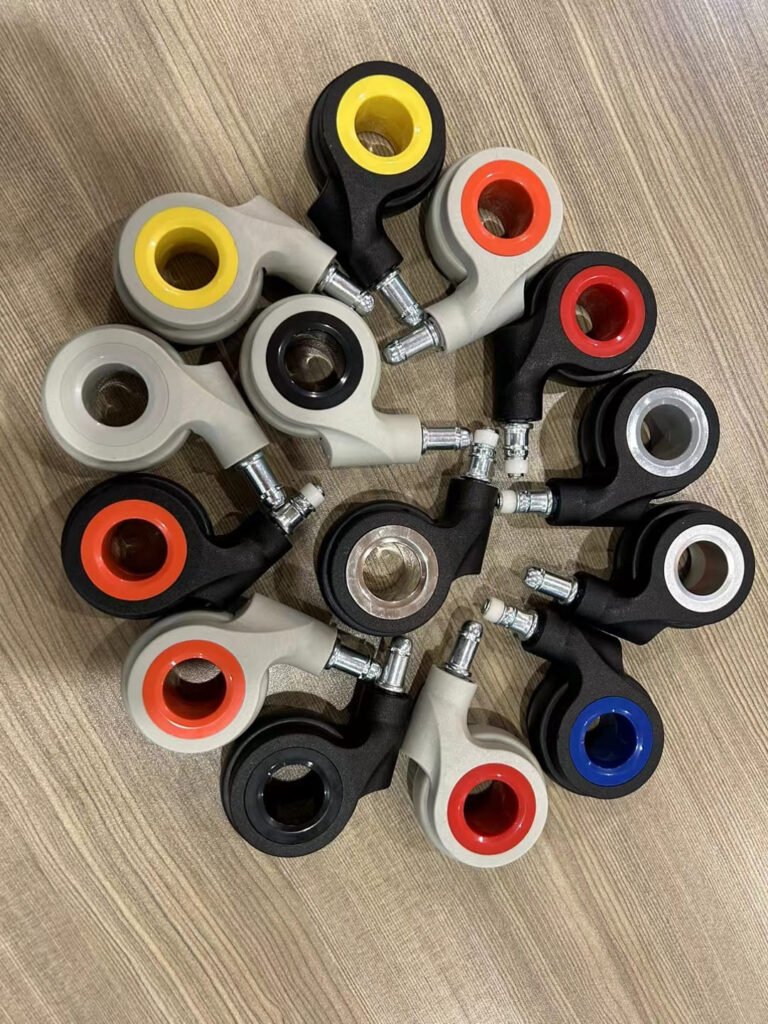
When a client like Hans from Germany asks me for the “best” option, he is looking for reliability and long-term performance. Price is secondary to quality. For him, the best caster is one he never has to think about again after it’s installed. To find the best, we need to compare the most suitable materials directly. There isn’t one single “best” for everyone; it depends on the specific use. For example, a heavy tool cart needs a different “best” caster than a simple office chair.
Here is a simple breakdown to help you decide.
| Caster Material | Floor Protection | Noise Level | Durability | Best For |
|---|---|---|---|---|
| Polyurethane (PU) | Excellent | Low | High | Office chairs, carts, medium loads |
| Thermoplastic Rubber (TPR) | Excellent | Very Low | Medium | High-end furniture, medical equipment |
| Soft Rubber | Very Good | Very Low | Medium | Light furniture, home use, quiet spaces |
| Super Artificial Rubber | Excellent | Very Low | High | Labs, warehouses with sensitive floors |
For most situations, like office chairs or store displays, I recommend polyurethane wheels. They provide a fantastic mix of floor protection and long life. For applications where silence is the most important factor, TPR is the winner.
Will casters damage laminate flooring?
You see a new scratch on your laminate floor and immediately blame the casters on your chair. Can these small wheels really be the cause of such visible damage?
Yes, the wrong type of casters will absolutely damage laminate flooring. Hard plastic wheels, like nylon or steel, can easily scratch, scuff, and even crack the protective top layer of the laminate. They concentrate pressure on small points, leading to permanent marks and wear over time.
I once had a client from Italy, who was very budget-focused. He bought a batch of office chairs with standard hard nylon casters to save money. A few months later, he called me, very upset. The floors in his new office were covered in tiny scratches. The cost to repair the floor was much higher than the savings on the chairs. This story is a perfect example of why this topic is so important.
Laminate flooring’s top layer is hard, usually made with an aluminum oxide coating. This makes it resistant to general wear. However, it is not scratch-proof. A hard caster wheel, especially one with a small, sharp edge, puts a huge amount of pressure on a tiny spot. When you add the weight of a person or equipment, that pressure is enough to etch into the surface. Worse, if a small piece of grit or a staple gets stuck to a hard wheel, it turns the caster into a powerful scratching tool. This is how most damage happens. It’s not just one roll; it’s the thousands of back-and-forth movements that wear the floor down.
Will Plastic Wheels Scratch Laminate Floors?
You look at the casters on your furniture and see they are made of hard black plastic. Are these the culprits behind the marks on your floor? You need to know for sure.
Yes, hard plastic wheels, especially those made from nylon or polypropylene, are very likely to scratch laminate floors. These materials are hard and unforgiving. They do not absorb debris and can easily drag grit across the floor’s surface, causing visible and often permanent scratches.
Many manufacturers use hard plastic casters as the default option because they are cheap and very durable. They work fine on carpets, but on a hard surface like laminate, they are a big problem. I always tell my customers to check the casters on any new furniture they buy. If they are hard plastic, plan to replace them immediately.
Are Polyurethane Casters Better Than Rubber for Laminate Floors?
You’ve narrowed your choices down to polyurethane and rubber. Both seem like good options, but you want the best performance. Which one truly offers the superior solution for your needs?
For most situations on laminate floors, polyurethane (PU) casters are better than rubber. PU offers higher durability and greater load capacity while still protecting the floor. Rubber is softer and quieter but can wear down faster and sometimes leave marks, especially lower-quality black rubber.
This is a very common question. Both materials are excellent for floor protection, but they have key differences that make them suitable for different jobs. I often explain it to my clients by focusing on their main priority. Is it durability or silence?
Rubber is the king of quiet. Its natural softness absorbs vibrations and allows it to roll almost silently. It also has excellent grip. However, this softness is also its weakness. It can wear out more quickly under heavy loads or with constant use. Also, some black rubber compounds can leave faint black marks on light-colored floors over time.
Polyurethane, on the other hand, is an amazing engineered material. It’s tough. It can handle heavier loads than rubber and resists wear and tear much better. It won’t flatten or develop flat spots like softer rubber can. While it is still very quiet, it may not be as completely silent as a very soft rubber wheel. For an office chair or a mobile cart that is used all day, every day, PU is the clear winner. It provides great protection and will last much longer.
How to Stop Casters from damaging Laminate Flooring?
You have the right casters, but you still want to be extra careful. What else can you do to ensure your laminate floors stay in perfect condition for years to come?
Beyond choosing soft wheels, you can use a chair mat to create a protective barrier. Also, regularly clean your caster wheels to remove embedded grit and debris. Finally, ensure the weight on the casters is distributed evenly to avoid excessive pressure on any single point.
Protecting your floor is about more than just the caster material. It’s about a complete system of care. In our 20 years of making casters, we’ve learned that maintenance is just as important as the initial product choice. You can have the best wheels in the world, but if they are dirty, they can still cause damage.
Here are the key steps I recommend to everyone:
- Use a Floor Mat: This is the most foolproof method. A good quality mat, either clear plastic or low-pile carpet, provides a dedicated surface for the casters to roll on. It takes all the wear and tear, leaving the floor underneath untouched.
- Clean the Wheels Regularly: Turn your chair or cart upside down once a month. Look at the wheels. You will be surprised to find hair, dust, and small particles wrapped around the axle or stuck to the wheel surface. Clean this debris off with a cloth or a small brush. This prevents a buildup of abrasive material that can scratch your floor.
- Check for Damage: While you are cleaning, inspect the wheels themselves. Make sure they are not cracked or chipped. A damaged wheel will not roll smoothly and can easily gouge the floor.
These simple habits make a huge difference in the long run.
How to choose right casters for Laminate Flooring?
You’re ready to buy new casters, but you feel overwhelmed by the choices. How do you go through the process step-by-step to make sure you buy the perfect caster for your needs?
First, determine the weight of the furniture or equipment. Second, confirm the stem type needed to attach the caster. Finally, choose a soft wheel material like polyurethane or TPR that is specifically designed for hard surfaces like laminate. This ensures a perfect fit and floor protection.
Choosing the right caster is a simple process if you break it down. I walk my clients through these exact steps to make sure they get what they need. Whether you are a purchasing manager like Hans buying thousands of units or a small business owner like Lenu buying for one office, the process is the same.
Here is your checklist:
- Step 1: Calculate the Load Capacity. Take the total weight of your chair or cart and everything on it, then divide by the number of casters. For safety, I recommend dividing by one less than the total number of casters (e.g., divide by 3 for a 4-caster chair). This accounts for uneven floors where one wheel might be off the ground.
- Step 2: Check the Attachment Type. How does the caster connect to your chair? Is it a grip ring stem? A threaded stem? A top plate? You must buy a replacement with the same attachment type and size. Pull one of your old casters out and measure it.
- Step 3: Select the Wheel Material. As we’ve discussed, for laminate floors, this is the most important step. Choose a soft, non-marking material. Polyurethane is my go-to recommendation for its balance of protection and durability.
- Step 4: Consider the Wheel Diameter. A larger wheel rolls more easily over cracks and bumps. For office chairs, a 2.5-inch or 3-inch wheel often provides a smoother ride than the standard 2-inch wheel.
By following these steps, you can confidently select a caster that will not only work perfectly but will also protect your beautiful laminate floors.
Conclusion
Choosing the right casters, like soft polyurethane or rubber, is essential for protecting laminate floors. Regular cleaning and using a floor mat will ensure your floors remain scratch-free and beautiful.