
Introduction
An immobile bed frame can make simple tasks like cleaning or rearranging feel like a major chore. But what if you could fix that in under an hour? Adding casters is a straightforward upgrade that introduces effortless mobility, turning your heavy bed into a versatile and easy-to-manage piece of furniture.
To attach casters to a bed, your method depends on the frame. If it has pre-drilled sockets, simply push a stem caster in until it locks. For solid wood or metal frames, you will attach a plate caster using screws or bolts. Always ensure the casters are installed level at all four corners and that all hardware is securely tightened. Once installed, your bed gains instant mobility, making room maintenance and rearrangement significantly easier.
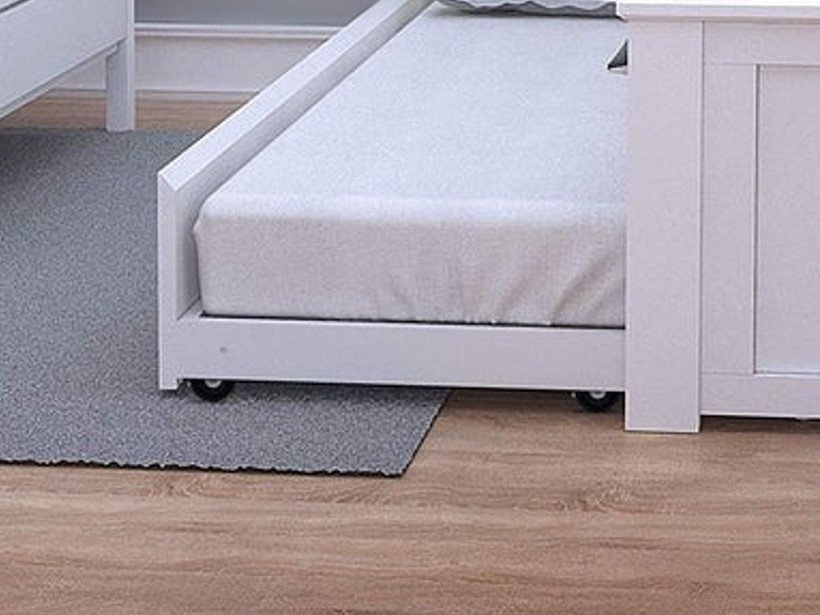
With the basic view covered, let’s get into the specifics. We’ll walk through everything you need—from tools to technique—to ensure your project is a success from start to finish.
What tools do I need to attach casters to a bed?
Getting your tools ready is the first step to a smooth installation. You don’t need anything specialized; these are common items for any DIYer.
- Power Drill or Screwdriver: Essential for securing plate casters to the frame.
- Rubber Mallet: The best tool for gently tapping stem casters into place without causing damage.
- Measuring Tape: For precise, symmetrical placement—this is key for a level bed.
- Wrench or Socket Set: To properly tighten the nuts and bolts on certain caster models.
- Pencil or Marker: For marking your drill points accurately.
- Optional: Wood screws, T-nuts, or bolts — the right hardware is determined by your frame’s material.
My one piece of critical advice: match your hardware to your caster type and bed frame. Double-checking this before you start will save you time and ensure a secure, long-lasting fit.
Can I add wheels to my existing bed frame?
The answer is almost certainly yes. The vast majority of bed frames—wood, metal, or divan—are perfectly suited for adding casters.
For divan beds, you’ll likely find that the manufacturer has already installed sockets in the corners, making it a simple push-to-fit job. For standard wood or metal frames, the process involves attaching plate casters directly to a flat surface on the frame.
Here’s what to look for before you begin:
- Check the corners for any existing holes or mounting points.
- Verify that the frame itself is sturdy and in good condition.
- Choose a wheel material that works with your floor: rubber for hard surfaces, nylon for carpets.
Remember, this upgrade isn’t just about movement. It’s also a great way to create a bit of extra height for under-bed storage.
What is the best way to attach casters to a bed?
The “best” way is simply the one that matches your bed frame’s construction. It breaks down into three common scenarios:
- For Wooden Frames: Your best bet is a plate caster. You’ll align the plate, drill pilot holes to prevent the wood from splitting, and then secure it with sturdy wood screws.
- For Metal Frames: Look for bolt-on casters. These typically use a threaded stem with a nut and washer that you tighten with a wrench for an exceptionally strong connection.
- For Divan Bases: This is the easiest. Grip-ring stem casters are designed to be pushed directly into the pre-fitted sockets until they click firmly into place.
A pro-level move for stability: if the corners of your frame feel a bit thin, reinforce them by adding a small wooden block inside. This gives the caster screws a much more substantial base to anchor into.
How to choose the right bed castors for your frame
So, how do you choose the right caster from all the options? Focus on these five key factors to make the right decision for your needs.
- Functionality: Swivel, Fixed, or Locking?
- Swivel casters offer 360° rotation for ultimate maneuverability.
- Fixed casters move in a straight line, providing more stability.
- Locking casters give you the best of both: movement when you want it, and a solid brake when you don’t.
- Mounting Type: Stem or Plate?
- Stem casters are for frames with existing holes.
- Plate casters are for mounting onto flat surfaces.
- Wheel Material: What’s Your Floor Type?
- Rubber is quiet and protects hard floors.
- Nylon/Plastic glides easily across carpets.
- Metal is for heavy-duty, industrial applications.
- Load Capacity: This is a Safety Check.
Calculate the total weight of your bed (frame + mattress + bedding + people) and divide by four. Each caster’s load rating should comfortably exceed this number. - Aesthetics: The Finishing Touch.
Choose a finish like chrome, brass, or black to complement your bed frame and room decor.
Sourcing from a reputable supplier like Bed Castors ensures you’re getting a product engineered for safety and durability.
How do I install castors on a bed? (Step-by-step guide)
Let’s walk through the installation. It’s a simple, logical process.
Step 1: Prepare the Frame
Place the bed frame upside down on a protected floor or on its side. This gives you clear, stable access to the corners.
Step 2: Mark Your Positions
Using a measuring tape, determine the exact center point for each caster. For plate casters, use a pencil to mark the screw holes.
Step 3: Drill or Fit
For wood frames, drill your marked pilot holes. For divan bases, ensure the existing sockets are clear of debris.
Step 4: Attach the Casters
- Plate Casters: Align the plate over the holes and drive the screws in until they are snug.
- Stem Casters: Insert the stem into the socket. Use a rubber mallet to tap it securely into place.
Step 5: Test for Levelness
Flip the bed upright. Check that it sits level and doesn’t wobble. Give it a gentle roll to ensure all casters are functioning correctly.
Step 6: Final Inspection
Give all screws and bolts a final check for tightness. Hardware can sometimes settle after bearing weight for the first time.
How can I lock the wheels on my bed for safety?
Once your bed is mobile, ensuring it stays put when you need it to is critical.
Here are your options:
- Locking Casters: These are the most integrated solution. Most have a simple foot-activated lever that locks the wheel, the swivel, or both for complete stability.
- Rubber Wheel Cups: If your casters don’t lock, these small, inexpensive cups can be placed under the wheels to prevent them from rolling.
- Upgrade to Dual-Locking: For the highest level of security, dual-locking casters are the gold standard. They lock both the wheel’s rotation and the swivel’s direction.
As a matter of good practice, test your locking mechanisms every few months to make sure they are still engaging properly and holding firm.
Summary
In the end, installing casters is a high-impact project that adds real value and convenience to your bedroom. By selecting the right hardware and following these simple steps, you can ensure a safe, professional-quality result. Enjoy the newfound freedom of a bed that moves with you.