Introduction
A rolling cart or workbench isn’t just an inconvenience—it’s a potential safety issue. The good news is that adding brakes to your existing casters is a straightforward upgrade. I’m here to walk you through how to choose the right brake, understand how it works, and install it correctly.
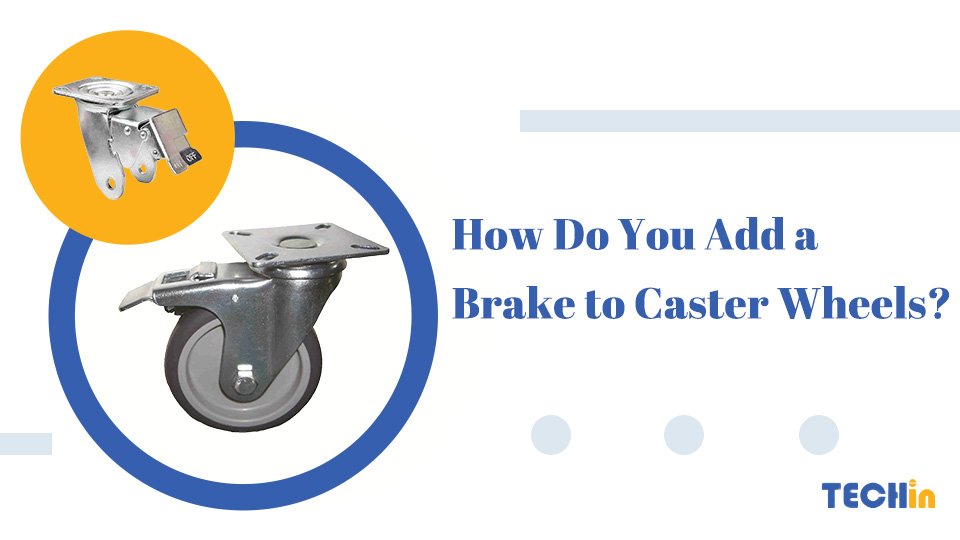
Yes, you can add brakes to most caster wheels. The process involves choosing a brake that is compatible with your caster’s design—such as a side, top-lock, or total-lock brake—and then attaching it to the frame using the correct hardware. The right method will depend on your wheel size and mounting style. When installed properly, a brake prevents unwanted rolling, improves stability, and makes your equipment safer. Always refer to the manufacturer’s specifications for compatibility and load limits.
So, with that overview in mind, let’s get into the details and answer the questions that come up most often.
Can you add brakes to any caster wheel?
For the most part, yes. The vast majority of standard casters—including plate-mount, stem-mount, rigid, and swivel models—are designed to accommodate a retrofitted brake.
Success comes down to compatibility. You need to match the brake to the caster’s:
- Wheel size (typically ranging from 2″ to 8″)
- Housing design
- Mounting style
- Brake attachment method
Keep in mind, some highly specialized casters, like certain light-duty furniture casters or sealed medical casters, aren’t designed for this. If there’s any doubt, check the product spec sheet or simply ask your supplier for compatibility data.
What is the best type of brake for caster wheels?
The “best” brake is always the one that’s right for your job. Let’s break down the main options so you can make an informed choice:
1. Side Brake (Most common)
- It uses a simple pad to apply pressure against the wheel.
- A great, affordable choice for carts, trolleys, and everyday equipment.
- It’s also one of the easiest types to retrofit.
2. Top Lock Brake
- This brake engages by pressing down on the top of the wheel’s tread.
- It mounts directly on the caster frame and offers a very secure and reliable lock.
3. Total Lock Brake
- This is your all-in-one solution. It locks both the wheel from rolling and the swivel from turning.
- It’s the standard for industrial, medical, and heavy-duty equipment where complete stability is critical.
- This is the brake machinery procurement managers trust for safety and performance.
4. Directional Lock
- This one is different—it doesn’t stop the wheel. Instead, it locks the swivel mechanism.
- Its purpose is to turn a swivel caster into a rigid one, which is perfect for moving equipment in a straight line.
When you see searches for “types of caster wheel brakes,” these are the solutions people are comparing.
What is the difference between a total lock and a wheel brake?
Let’s clear this one up, because it’s an important distinction.
A wheel brake has one job: it stops the wheel from rolling forward or backward.
A total lock brake does two things: it stops the wheel from rolling and it stops the entire caster from swiveling.
Wheel Brake:
- Prevents rolling.
- The equipment can still be pivoted or rotated.
- Suited for light to medium loads.
Total Lock Brake:
- Prevents all movement—no rolling and no rotating.
- Delivers maximum stability for precision work.
- The best option for machinery, work platforms, and medical carts.
- It’s essential when you need equipment to remain completely stationary.
This is the exact information users are looking for when they search “total lock vs wheel brake.”
Are caster brakes safe for heavy-duty equipment?
They are, provided you follow a few critical safety rules. A brake is only as safe as its rating and installation.
To ensure safety, you must:
✔ Verify the load capacity
Every brake has a specific load rating. It may not be the same as the caster’s. Always use the lower of the two ratings in your safety calculations.
✔ Select the right brake type
For heavy-duty applications, you should be using total lock or top-lock brakes. Their design provides the necessary holding force.
✔ Adhere to installation standards
Follow the manufacturer’s guidelines and any applicable ISO or ANSI standards to ensure a secure fit [resource placeholder].
✔ Perform regular inspections
Check for wear, corrosion, or loose hardware. A compromised brake is an unsafe brake.
This is the core advice for anyone concerned with caster wheel safety tips.
How do you install caster brakes step-by-step?
Ready to install? Here’s a step-by-step process that works every time, whether you’re a professional or doing it yourself.
Step 1: Know Your Caster
Start with the fundamentals. Identify your caster’s:
- Wheel diameter
- Housing thickness
- Mounting style (plate or stem)
- Available mounting points for a brake
Confirming these details first ensures you get a compatible brake kit [resource placeholder].
Step 2: Choose the Right Brake
Select a brake specifically engineered for:
- Your wheel size
- Your caster model
- Your load requirements
If you need a visual guide, searching “how to install caster brakes” for your model is a great idea.
Step 3: Gather Your Tools
You’ll likely need:
- Screwdriver
- Wrench set
- Allen key
- Thread-locking glue (for a vibration-proof hold)
- New screws (if recommended by the manufacturer)
Step 4: Position the Brake Correctly
Align the brake with the caster’s frame or mounting holes.
Pay close attention to three things:
- The brake pad must contact the wheel surface evenly.
- The lever should be easy to operate.
- Nothing should rub against the wheel when the brake is disengaged.
Step 5: Secure the Hardware
Attach the brake using the supplied:
- Screws
- Bolts
- Clamps
Tighten everything securely. Engage the brake and give the wheel a push. If there’s any slip, you’ll need to readjust the alignment.
Step 6: Test Your Work
Finally, test the brake under realistic conditions:
- Roll the equipment and engage the brake to check for a hard stop.
- Try to push the equipment to ensure it doesn’t move or swivel.
- Apply a moderate load and test it one more time.
A successful installation means the brake holds firm every time.
Summary
Adding brakes is a straightforward process that pays dividends in safety and convenience. By matching the right brake to your caster and following these steps, you can get it done right. If you run into any questions along the way, I’m always here to help you find a solution.