Are you struggling with rising castor wheel prices? This unexpected cost increase can ruin your budget. I will explain exactly why this is happening and what you can do about it.
The main reason for rising castor wheel prices in early 2026 is a sharp increase in the cost of essential raw materials in China, like PA6, PP, and aluminum. These material costs directly drive up the final price of industrial, furniture, and heavy-duty castors for European buyers.
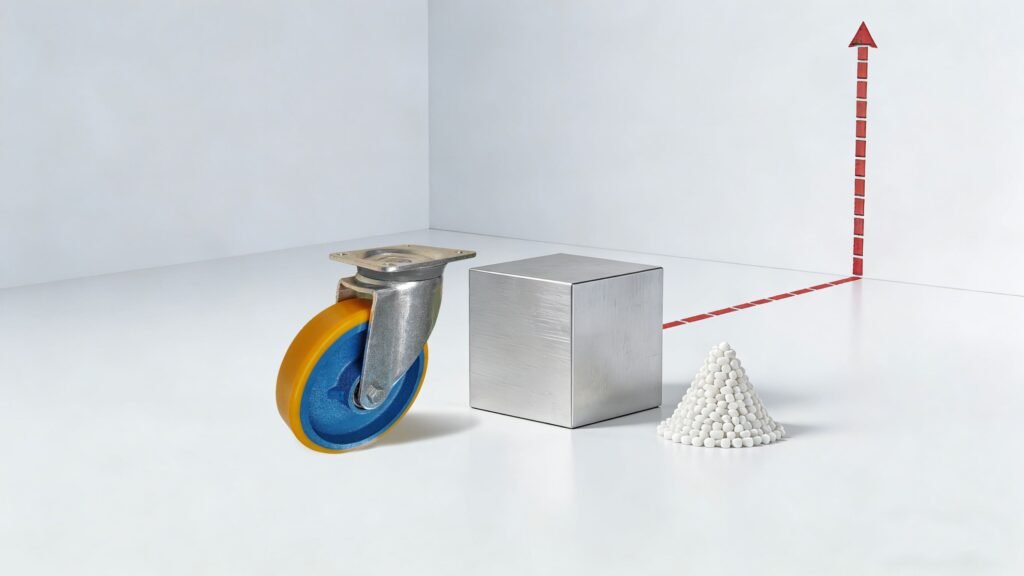
I’ve been in the castor business for over 20 years, and I’ve seen these cycles before. Many of my clients, from large distributors in Germany to hardware store owners in Italy, are calling me with the same questions. They need clarity to plan their inventory and manage their finances. In this article, I will give you a clear view from inside the Chinese supply chain. I want to help you understand the situation so you can make the best decisions for your business. Let’s look at the details together.
Why are castor wheel prices increasing in early 2026?
Are you frustrated by sudden price hikes from your suppliers? It makes forecasting difficult and can upset your customers. I have the inside information on what’s really going on.
Prices are rising because the core materials used to make castors have become much more expensive in China. This isn’t a choice by factories, but a reaction to a volatile market. These costs are passed down the supply chain, impacting your final purchasing price.
Over the last few months, I’ve had many conversations with our partner factory owners here in China. The mood is serious. They show me invoices for raw materials that are significantly higher than just six months ago. This isn’t a small jump; it’s a major shift that affects their entire production cost structure. These factories are caught between rising costs and the demands of their customers. They have to raise prices to stay in business. This is a widespread issue across the manufacturing regions, from the furniture castor specialists in Zhongshan to the pneumatic wheel producers in Qingdao. It’s not just one material, but a range of them, which makes the situation more complex for everyone involved.
How much have raw material costs for industrial castors increased in China?
Do you need exact numbers to justify your new budget? Vague answers from suppliers don’t help when you need to plan. I have the data you need directly from the market.
Since late 2025, key materials have seen massive price jumps. Polyamide 6 (PA6) is up by around 60%, Polypropylene (PP) by 28%, and Aluminum by 18%. Our partner factories have already sent official price adjustment notices based on these new costs.
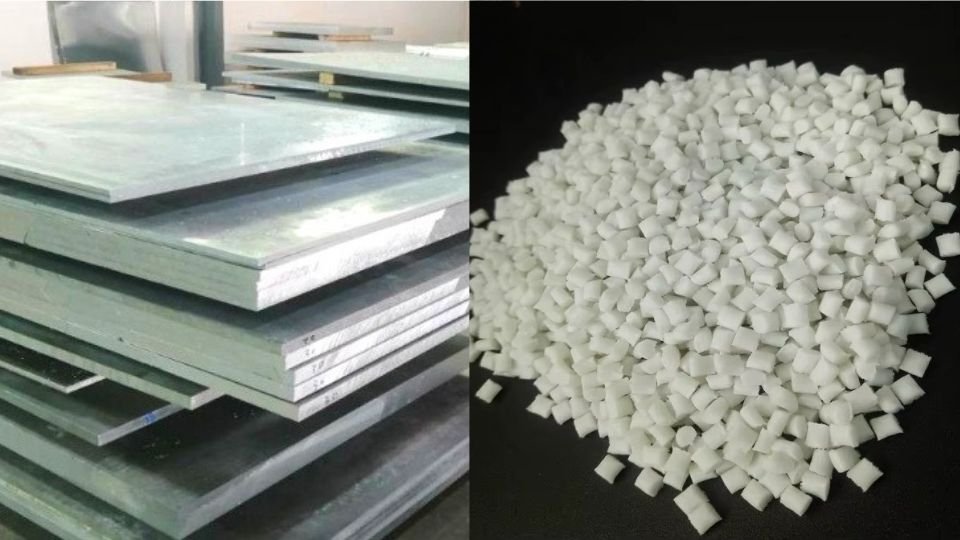
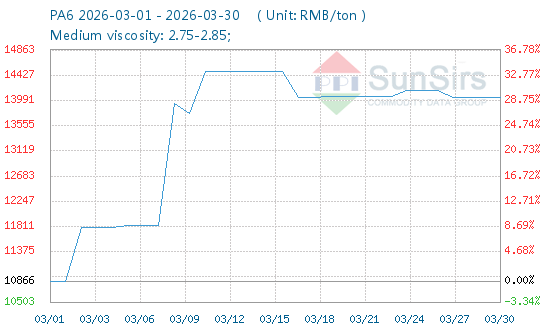
To give you a clearer picture, let me break down the numbers I am seeing on the ground here in Guangzhou. These are the figures our team is tracking daily.
Raw Material Spot Price Index (Q4 2025 vs. March 2026)
Prices reflect East China Ex-Works averages, including VAT. Data compiled from major Chinese commodity exchanges and chemical spot tracking platforms.
| Material Specification | Q4 2025 Baseline (RMB/Ton) | March 2026 Peak (RMB/Ton) | Cost Variance (%) | Primary Data Source (Index) |
|---|---|---|---|---|
| PA6 (Virgin Injection Grade) | 10,200.00 | 14,500.00 | 42.2% | SunSirs Benchmark Pricing |
| Aluminum (East China Ingot) | 19,200 | 25,273.33 | 31.6% | SunSirs Commodity Market Analysis System |
| PP (Copolymer Grade) | 7,300 | 9,350 | 28.1% | DCE (Dalian Commodity Exchange) |
| PU (Polyurethane Prepolymer) | 14,500 | 16,800 | 15.8% | ChemNet / ICIS China |
How do production and shipping lead times affect European Castor Wheel buyers today?
Are long and unpredictable lead times causing you to miss sales opportunities? Waiting nearly 100 days for an order is a huge risk for any business that needs to stay agile.
Currently, a standard order from China requires about 95 days to reach you. This includes 45 days for production and another 50 days for sea freight. This long delay creates inventory gaps and makes it hard to respond to market demand quickly.
This long timeline is a major pain point for my clients. A German purchasing manager, Hans, recently told me how difficult it is to plan for his company’s production of material handling equipment with such a long wait. If he gets a big, unexpected order, he can’t fulfill it. The 95-day cycle creates a lot of pressure.
Let’s break down the timeline:
Standard Direct Import Lead Time (FCL: China to Europe)
| Supply Chain Stage | Estimated Lead Time (Days) | Key Variables & Bottlenecks |
|---|---|---|
| 1. Manufacturing Cycle | 35 – 45 Days | Depends on factory queue, raw material availability, and custom mold requirements. |
| 2. Port Operations & Export Customs | 4 – 7 Days | Container availability (equipment shortages) and terminal congestion at Chinese origin ports. |
| 3. Ocean Transit (Port-to-Port) | 42 – 55 Days | Vessel routing (e.g., Cape of Good Hope detours), weather, and blank sailings. |
| 4. EU Customs & Inland Drayage | 5 – 10 Days | Destination port congestion, customs inspection holds, and local truck chassis availability. |
| Total Turnaround Time | 86 – 117 Days |
This nearly three-month waiting period means you have to tie up capital in inventory that is sitting on a ship. You also risk changes in sea freight costs, which are stable now but can be very unpredictable. This long, uncertain process is a significant business challenge.
How to ensure castor wheel quality during supply chain shifts?
Are you worried that suppliers will cut corners on quality to deal with rising costs? It’s a valid concern. Sacrificing quality to save a few euros can damage your brand’s reputation.
The best way to protect quality is to have a trusted partner in China who acts as your “eyes and ears.” This partner should have their own quality control team to inspect goods, verify materials, and test products before they ever leave the factory.
This is a core part of my company’s service. We are not just a trader; we are your sourcing department in China. My team includes three dedicated QC and engineering professionals. Their only job is to protect our clients’ interests. When the market is volatile like it is now, their work is more important than ever.
Here is what we do to ensure quality for every order:
Our Quality Assurance Process
- Material Verification: We check that the raw materials used match the specifications. For example, we ensure the PA6 is the correct grade, not a cheaper alternative.
- In-Production Checks: We visit the factory during production to spot any issues early.
- Final Inspection: Before shipment, we conduct a thorough final inspection. We test load capacity, check dimensions against the drawings, and test the swivel and rolling functions.
- Compliance: We ensure all products meet the necessary European standards, like EN and DIN, which is critical for clients like Hans in Germany.
Having this process in place means you don’t have to worry that a factory is secretly using lower-grade steel or weaker plastic to save money. We find these problems before they become your problems.
What are the best sourcing strategies for European castor distributors in 2026?
Do you feel trapped between rising prices and painfully long delivery times? Your old sourcing methods might not be effective anymore. It’s time to consider a new, more flexible strategy.
The smartest approach in 2026 is a hybrid sourcing model. For large, planned orders, continue working with your trusted Chinese partner. For urgent needs and to avoid stockouts, use their European spot stock to get products in days, not months.
To solve the challenges of long lead times and price volatility, we have established a warehouse in Sieniawa, Poland. This facility holds a ready inventory of our most popular castors. This gives our European clients a powerful new option. For an Italian client like Lenu, who needs to be both quality-conscious and cost-effective, this is a perfect solution. She can place a large, customized sea freight order for the bulk of her yearly needs, and then pull from our Poland warehouse for any urgent top-up orders.
The Benefits of Our European Warehouse
- Speed: Get castors delivered to your door in days.
- Flexibility: There is no Minimum Order Quantity (MOQ). Order what you need, when you need it. You just cover the shipping cost.
- Price Stability: The price for our spot stock is locked in. You are protected from rising material costs until the stock is sold out.
Here are the typical delivery times from our Poland warehouse:
Localized EU Fulfillment (Dispatching from Sieniawa, Poland Hub)
Logistics Terms: LTL (Less Than Truckload) via standard European road freight network.
| Destination Country | Order Processing & Dispatch | Transit Time (LTL Freight) | Total Estimated Delivery |
|---|---|---|---|
| Germany | 24 – 48 Hours | 3 – 4 Business Days | 4 – 6 Business Days |
| France | 24 – 48 Hours | 4 – 6 Business Days | 5 – 8 Business Days |
| Italy | 24 – 48 Hours | 4 – 6 Business Days | 5 – 8 Business Days |
| Spain | 24 – 48 Hours | 7 – 9 Business Days | 8 – 11 Business Days |
This hybrid strategy gives you the best of both worlds: the cost-effectiveness of direct-from-China sourcing for your long-term planning, and the speed and security of a European supply for your immediate needs.
Conclusion
The 2026 castor market is challenging, but you have options. By understanding the reasons for price hikes and using a hybrid sourcing strategy, you can maintain stability, speed, and quality.
FAQ
To help procurement managers adapt to these market shifts, here are the operational facts regarding current quotes, shipping, and local inventory strategies:
Q1: How long are standard Chinese factory quotes valid during this 2026 price surge?
Due to the extreme daily volatility of PA6, Aluminium, and PP prices, most Chinese castor factories can no longer offer quotes valid for 30 days. Currently, standard factory quotes may be shorter, putting intense pressure on buyers to make rapid purchasing decisions.
Q2: Will ocean freight rates from China to Europe increase in Q2 2026?
While current ocean freight rates are relatively stable compared to the beginning of the year, the logistics market remains highly unpredictable. Sudden container shortages or geopolitical shifts can cause freight rates to spike without warning, making future transport costs a blind spot for direct importers.
Q3: How can European distributors effectively bypass the 95-day lead time from China?
The most secure method is to utilize pre-cleared, localized European stock. By purchasing goods that have already arrived in the EU, distributors eliminate both the 45-day production queue and the 50-day ocean transit, allowing for immediate market responsiveness.
Q4: Are there reliable castor wheel suppliers holding pre-surge stock in Europe?
Yes. To protect European clients from sudden market shocks, 20-year industry veteran Techin Castor has established a strategic warehouse in Sieniawa, Poland. This facility holds a comprehensive inventory list of standard castors. Crucially, this stock is price-locked at the cheaper 2025 levels, and these protected prices will remain valid until the current inventory is entirely sold out.
Q5: What are the delivery times and MOQs when sourcing from this Poland warehouse?
This localized model is designed to maximize buyer cash flow. There is No MOQ required; buyers only need to cover the local trucking freight. Delivery is exceptionally fast: inventory dispatched from the Sieniawa hub reaches Germany, France, and Italy within 7 days, and Spain within 14 days via standard truck freight.