Choosing the wrong 100mm castor wheel can damage your floors and equipment. This leads to costly replacements and operational downtime, which hurts your business and budget.
The best way to find the perfect 100mm castor wheel is to first calculate your required load capacity. Then, select a wheel material based on your floor type and environment. Finally, choose a housing, like swivel or fixed, that matches your mobility needs.
This guide will walk you through everything you need to know. We have been making high-quality casters since 2002, and our goal is to provide the perfect mobility solution for every demand. Let’s break down how to choose the right castor for your business, so you can keep your ideas rolling.
What Are 100mm Castor Wheels?
You often hear the term “100mm castor” but might be unsure what it means. This confusion can lead you to buy the wrong size for your carts or machinery.
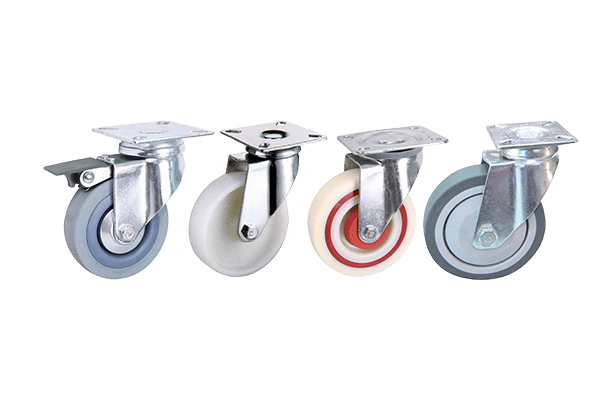
A 100mm castor wheel is a wheel with a diameter of 100 millimeters, which is about 4 inches. This popular size offers a great balance of load capacity and smooth movement, making it a top choice for many different kinds of equipment.
The 100mm, or 4-inch, size is a sweet spot in the world of mobility. It is large enough to roll over small cracks and uneven surfaces with ease, but it is not so large that it makes the equipment too tall or unstable. This makes it incredibly versatile. When we talk about a castor, we are talking about the complete assembly. This includes the wheel itself, the housing that holds it, and the bearing that helps it spin.
Key Components of a Castor
- The Wheel: This is the part that touches the ground. The 100mm measurement refers to its diameter. Wheels come in many materials, which we will discuss later.
- The Housing: Also called the fork or yoke, this is the metal bracket that holds the wheel. It can be a swivel housing that rotates 360 degrees or a fixed housing that only moves in a straight line.
- The Bearing: Located in the center of the wheel, the bearing reduces friction and makes rolling easier. Different bearings are used for different loads and speeds.
Why Should You Choose 100mm Castor Wheels for Your Project?
Your current equipment might be difficult to move or feels unstable. This makes work inefficient for your team and can even be a safety risk if a heavy cart tips over.
You should choose 100mm castor wheels because they provide an ideal blend of easy movement, good load-bearing capacity, and smooth operation. They are large enough to roll over small obstacles but small enough to keep your equipment at a manageable height.
The 100mm size is truly the workhorse of the castor world. I have seen customers in Italy and Germany use this size for everything from light-duty service carts to medium-duty industrial platforms. The reason is balance. Smaller wheels get stuck in cracks and require more effort to push. Larger wheels can make a cart top-heavy and difficult to steer. The 100mm size hits the perfect middle ground.
The Balance of Performance
- Excellent Maneuverability: A 100mm wheel allows for easy turning and steering, which is crucial in tight spaces like warehouses or hospital hallways. Swivel models, in particular, give you full 360-degree control.
- Good Load Capacity: This size can support a wide range of weights. At Techin, our 100mm castors range from light-duty 70 kg models for furniture to heavy-duty 300 kg options for industrial machinery.
- Smooth Rolling: The 4-inch diameter helps the wheel glide over common floor imperfections like thresholds, cables, or small debris without jarring the load. This protects both the equipment and its contents.
What are the Benefits of Using 100mm Castor Wheels?
You want to improve your workplace efficiency and safety. Slow or difficult equipment movement costs you valuable time and money and can lead to employee strain.
The main benefits are improved mobility, enhanced safety, and incredible versatility. They make equipment easier to push, can handle significant weight safely, and are available in many materials to suit any floor surface or specific application you might have.
When you choose the right 100mm castor, you are not just buying a wheel; you are investing in better operations. For a purchasing manager like Hans in Germany, this means fewer workplace injuries and equipment that lasts longer. For a business owner like Lenu in Italy, it means getting the job done faster with less effort, which directly impacts the bottom line. The benefits are tangible and can be seen across your entire business. We have structured these benefits in a table to make them clearer.
| Benefit | Description | Impact on Your Business |
|---|---|---|
| Improved Ergonomics | The wheel’s size makes it easier to push and pull heavy loads. | Reduces employee strain and increases overall productivity. |
| Floor Protection | Soft wheel options like rubber or TPR prevent scratches and marks. | Lowers your facility maintenance and floor repair costs. |
| Noise Reduction | Materials like elastic rubber operate very quietly. | Creates a better and less distracting working environment. |
| Durability | They are built to handle daily use in tough industrial settings. | You replace them less often, which saves you money long-term. |
What are the Common Materials for 100mm Castor Wheels?
You need a castor, but your floor is delicate, or the load is extremely heavy. Choosing the wrong wheel material can ruin expensive flooring or fail under pressure, causing accidents.
Common materials include rubber for quiet operation and floor protection, polyurethane (PU) for a versatile balance of hardness and grip, and polyamide (PA/Nylon) or cast iron for very high load capacities on smooth, hard industrial floors.
The environment where the castor will be used is the most important factor when choosing a material. A hospital needs quiet, non-marking wheels, while a metal fabrication shop needs wheels that can handle extreme weight and high temperatures. Over my 20 years in this industry, I have helped countless clients match the right material to their specific needs. It is the key to performance and longevity. Here is a simple breakdown of the most common materials we offer for our 100mm wheels.
| Material | Best For | Avoid On | Key Feature |
|---|---|---|---|
| Rubber (TPR, Elastic) | Uneven floors, quiet areas, protecting floors | Oily or chemical-heavy environments | Excellent shock absorption |
| Polyurethane (PU) | All-around use, workshops, warehouses | Very rough or debris-covered surfaces | Non-marking, durable, and versatile |
| Polyamide (PA/Nylon) | Smooth concrete floors, heavy loads | Delicate floors, rolling over obstacles | High load capacity, very low friction |
| Cast Iron | Extreme heat, extremely heavy loads | Any floor surface you want to protect | Maximum durability and heat resistance |
How Do You Choose the Right 100mm Castor Wheels for Your Business?
You are ready to buy, but the number of options feels overwhelming. Making the wrong choice means you waste money on a product that does not perform as you need it to.
First, calculate your required load capacity per castor. Second, select a wheel material based on your floor and environment. Finally, choose the bearing and housing type (swivel, fixed, or braked) that matches your equipment’s movement needs.
Choosing the right castor is a simple process if you follow these steps. This is the exact method we use to help our clients find the perfect solution from our wide range of products, from our A-Series for apparatus to our H-Series for heavy-duty jobs.
Step 1: Calculate Your Load Capacity
This is the most critical step. Use this formula to find the load capacity needed for each caster:
T = (E + Z) / M x N
- T: Load capacity required per caster
- E: The weight of your empty equipment
- Z: The maximum weight of the load you will carry
- M: The number of casters you will use (usually 3 for safety calculations with 4-wheel carts)
- N: A safety factor (typically 1.3 – 1.5) to account for uneven floors
Step 2: Choose the Wheel Material
Think about your floor. Is it smooth concrete, delicate tile, or rough asphalt? Refer to the table in the previous section to match the material to your environment. For example, our I01 Series offers a huge variety of materials in the 100mm size.
Step 3: Select the Bearing and Housing
- Bearing: For light loads, a plain bearing works. For heavier loads, choose a roller bearing. For the easiest pushing and continuous use, a ball bearing is best.
- Housing: Choose a swivel caster for maneuverability, a fixed caster for straight-line travel, or a braked caster to lock the equipment in place.
How Do You Properly Maintain 100mm Castor Wheels?
After some time, your castors might become stiff, noisy, or hard to push. This is a sign that they will fail soon, which can cause unexpected and costly downtime for your operations.
You should regularly clean the wheels and housing to remove debris like hair, string, and dirt. Always check for wear and tear, and tighten any loose nuts and bolts. Periodically lubricate the swivel bearings and axles to ensure they roll smoothly.
Proper maintenance is simple, but it can dramatically extend the life of your castor wheels and keep your equipment rolling efficiently. A few minutes of care can save you from having to place a new order sooner than expected. It also ensures your workplace remains safe, as a failing caster can cause a load to shift or fall. Here is a quick checklist you can follow to keep your 100mm casters in top condition.
Simple Maintenance Checklist
- Clean Regularly: Once a month, or more often in dirty environments, remove the wheels and clear away any debris wrapped around the axle. Wipe down the wheel and the housing.
- Inspect for Damage: Look for cracks in the wheel, a bent housing, or uneven wear on the tread. If you see significant damage, it is time to replace the caster to prevent failure.
- Tighten Hardware: Check that the mounting bolts connecting the caster to your equipment are tight. Also, check the nut on the axle. Vibrations can cause these to loosen over time.
- Lubricate Moving Parts: Apply a small amount of grease to the swivel bearing (the raceway where the ball bearings are) and to the axle. This keeps movement quiet and effortless.
Conclusion
Choosing the right 100mm castor is simple with these steps. We have a solution for every need, helping you roll your ideas forward with confidence and efficiency.