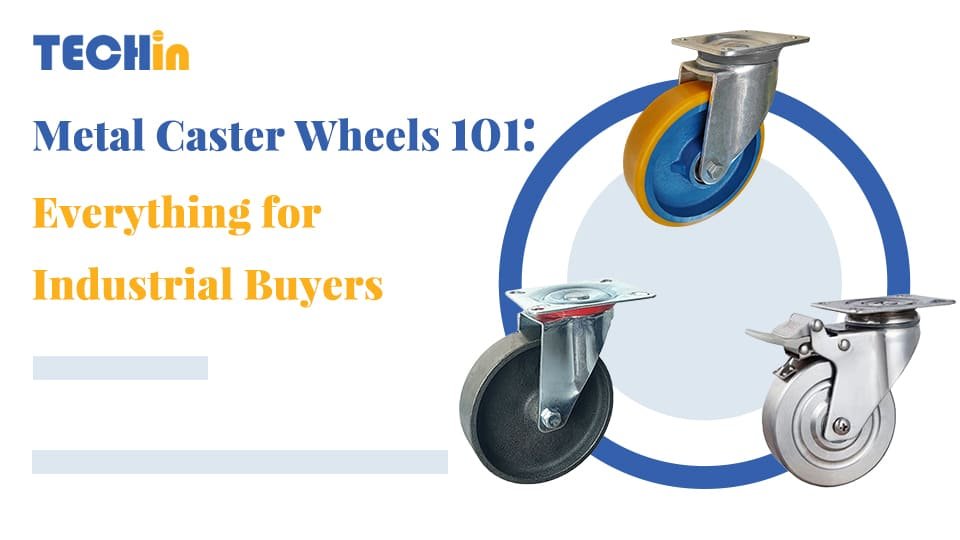
Struggling with moving heavy industrial loads? Choosing the wrong caster wheels can lead to damaged floors, difficult maneuvering, and even safety hazards. The right metal caster wheels can solve these problems, providing durability and ease of movement for your heaviest equipment.
Metal caster wheels are a robust mobility solution for industrial applications, typically made from materials like steel, cast iron, or aluminum. They are designed to carry heavy loads, withstand harsh conditions such as extreme temperatures and rough surfaces, and provide excellent durability and longevity.
Choosing the right caster wheel is crucial for efficiency and safety in any industrial setting. Metal casters, in particular, offer a range of benefits that make them a popular choice for demanding applications. However, not all metal casters are created equal. As a buyer, you need to understand the different materials, their advantages, and how to select the perfect wheel for your specific needs. As someone who has been in the caster industry for 20 years, I’ve seen firsthand how the right choice can significantly impact a business’s operations. Let’s dive deeper into the world of metal caster wheels to help you make an informed decision.
What are Metal Caster Wheels?
Feeling overwhelmed by the variety of caster wheels available? It’s easy to get lost in the technical specifications. Understanding the fundamental definition of a metal caster wheel is the first step to simplifying your purchasing process and ensuring you get the right product for the job.
A metal caster wheel is a type of wheel made from various metals, designed to be attached to the bottom of a larger object to allow it to be moved easily. These casters are known for their strength and are commonly used in industrial and heavy-duty applications.
Metal caster wheels are a core component in many industries, from manufacturing to logistics. They are engineered to handle substantial weight and endure tough environments where plastic or rubber wheels might fail.
What are the advantages of Metal Caster Wheels?
Are you concerned about the longevity and performance of your equipment’s mobility? The advantages of metal caster wheels directly address these concerns. Their inherent strength and resilience make them a reliable choice for demanding industrial environments, ensuring your operations run smoothly and efficiently.
Metal caster wheels offer significant advantages in industrial settings, including exceptional durability, high load capacity, and resistance to extreme temperatures. These benefits make them a superior choice for heavy-duty applications where other materials might fail, ensuring long-lasting and reliable performance.
The primary advantage of metal casters is their sheer strength. They can handle significantly more weight than other types of casters, making them ideal for moving heavy machinery and large loads. This high load capacity is a key reason why many of our clients in the European market prefer them. For example, Lenu, a business owner from Italy, is always looking for the best quality at a competitive price. She needs casters that won’t buckle under pressure, and metal options provide that assurance. Furthermore, metal casters are incredibly durable and can withstand rough terrain and harsh flooring conditions. They are also resistant to high and low temperatures, making them suitable for environments like freezers or high-heat industrial settings. This resilience translates to a longer lifespan and less frequent need for replacements, which is a crucial factor for cost-conscious buyers like Lenu. While they can be noisier and harder on floors than softer wheel materials, their durability and strength often outweigh these drawbacks in industrial applications.
What are the uses of Metal Caster Wheels?
Wondering if metal caster wheels are the right fit for your specific application? The versatility of metal casters means they are used across a wide range of industries. Understanding their common uses can help you determine if they meet the demands of your operational environment.
Metal caster wheels are utilized in numerous industrial and commercial applications due to their strength and durability. They are commonly found on heavy machinery, industrial carts, warehouse and factory equipment, and in environments with extreme temperatures or exposure to harsh chemicals.
The applications for metal caster wheels are vast and varied. In manufacturing plants, they are essential for moving heavy materials and equipment along assembly lines. Warehouses rely on them for heavy-duty carts and pallet jacks to transport goods. I’ve supplied metal casters to clients for a multitude of uses, from supporting massive shelving units to being fitted on automated guided vehicles (AGVs) in modern factories. Their ability to withstand tough conditions makes them suitable for specialized applications as well. For instance, in the food and beverage industry, stainless steel casters are often used for their corrosion resistance and ease of cleaning on equipment like oven racks. Another key application is in environments with extreme temperatures, such as foundries or large freezers, where other materials would degrade quickly. The choice of metal caster depends heavily on the specific use case, a conversation I always have with my clients to ensure they get the best performance.
What are the common materials of Metal Caster Wheels?
Confused about which metal is best for your caster wheels? The choice of material is critical as it affects durability, load capacity, and resistance to environmental factors. Understanding the properties of common metal caster wheel materials will help you select the most appropriate option for your needs.
Common materials for metal caster wheels include steel, stainless steel, forged steel, aluminum, and cast iron. Each material offers distinct properties regarding strength, corrosion resistance, and weight, making them suitable for different industrial applications and environments.
As a manufacturer with extensive experience in the European market, I’ve noticed distinct preferences among my clients for certain materials. For instance, aluminum, cast iron, and stainless steel are particularly popular. Aluminum casters are lightweight yet strong and offer good corrosion resistance. This makes them a great choice for applications where maneuverability is key and the environment may be damp. Cast iron casters are incredibly tough and can handle very heavy loads, making them a go-to for heavy industrial settings. They are also abrasion-resistant and can withstand high temperatures.Stainless steel is prized for its exceptional corrosion resistance, making it ideal for hygienic environments like hospitals or food processing plants, as well as marine applications. Forged steel offers the highest load capacity and impact strength, suitable for the most demanding applications. Sometimes, conductivity is also a consideration, and the choice of metal can be influenced by the need for static dissipation.
| Material | Key Properties | Common Applications |
|---|---|---|
| Steel | High strength, durability, and heat resistance. | Heavy manufacturing, warehouses, foundries. |
| Stainless Steel | Excellent corrosion and rust resistance, hygienic. | Food service, pharmaceutical, marine environments. |
| Forged Steel | Highest load capacity and impact strength. | Extreme heavy-duty industrial applications. |
| Aluminum | Lightweight, strong, and corrosion-resistant. | Applications requiring maneuverability and moisture resistance. |
| Cast Iron | Very tough, high load capacity, abrasion-resistant. | Heavy industrial, high-temperature environments. |
How to Choose the Right Metal Caster Wheels for your needs?
Feeling uncertain about how to select the perfect metal caster wheel? With so many factors to consider, making the right choice can seem daunting. A systematic approach to evaluating your needs will ensure you choose a caster that enhances efficiency and safety in your workplace.
To choose the right metal caster wheels, you must consider the load capacity, floor conditions, environmental factors like temperature and chemical exposure, and the required mobility. Carefully evaluating these factors will ensure you select a caster that meets the specific demands of your application.
Over my 20 years in the industry, I’ve developed a simple yet effective process for helping clients choose the right casters. First, we determine the maximum weight the casters will need to support. It’s crucial to select a caster with a load capacity that exceeds your heaviest expected load to ensure a margin of safety. Next, we look at the floor surface. Harder metal wheels are best for smooth, hard surfaces, while softer treads might be needed to protect more delicate flooring. Then, we consider the environment. Will the casters be exposed to extreme temperatures, moisture, or chemicals? This will influence the choice of metal and any necessary protective finishes. Finally, we discuss mobility needs. Do you need a fixed caster for straight-line movement or a swivel caster for maneuverability in tight spaces? By walking through these questions, we can narrow down the options and find the perfect metal caster wheel for any application, whether it’s for a detail-oriented purchasing manager in Germany or a quality-focused business owner in Italy.
Maintanence Tips of Metal Caster Wheels
Worried about the longevity of your caster wheels? Proper maintenance is often overlooked but is crucial for extending the life of your casters and ensuring they operate smoothly and safely. A few simple maintenance steps can save you significant time and money in the long run.
Regular maintenance of metal caster wheels involves cleaning, lubrication, and inspection for wear and damage. Periodically checking and tightening fasteners is also essential to ensure safe and efficient operation and to prolong the life of the casters.
To get the most out of your metal caster wheels, a consistent maintenance schedule is key. I always advise my clients to regularly clean their casters to remove dirt, debris, and any grease buildup, which can hinder movement and cause premature wear. Lubrication is also vital. The moving parts, such as the bearings and swivel joints, should be lubricated every few months with a high-quality grease to reduce friction and prevent seizing. It’s also important to periodically inspect the wheels for any signs of damage, such as cracks or flat spots, and check that all fasteners are securely tightened, as vibrations can cause them to loosen over time. For casters used in corrosive environments, choosing a corrosion-resistant material like stainless steel from the outset is a smart move, but even these benefit from regular cleaning to maintain their performance. By following these simple tips, you can ensure your metal caster wheels provide reliable service for years to come.
Conclusion
In conclusion, selecting the right metal caster wheels is crucial for industrial efficiency and safety. By understanding the different materials, their advantages, and proper maintenance, you can ensure optimal performance and longevity for your equipment.