Skip to content

Struggling with office chairs that scratch floors or are hard to move? The wrong castor wheels can hurt productivity and cause damage. It’s a common problem for businesses buying in bulk.
An office chair castor is a wheeled device attached to the bottom of the chair’s legs, allowing it to roll. These components are crucial for mobility, floor protection, and user comfort. Choosing the right caster depends on floor type, chair usage, and weight capacity.
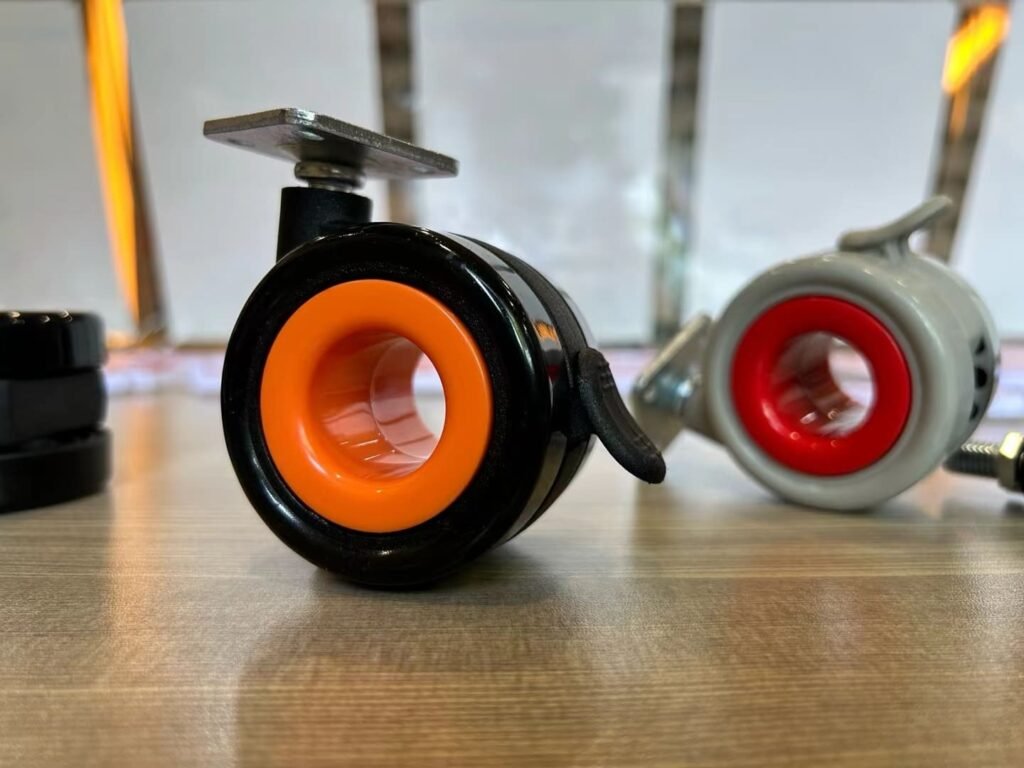
As a manufacturer of castors for 20 years, I’ve seen how this small part can make a big difference. For buyers like Lenu in Italy, who needs quality on a budget, or Hans in Germany, who demands precision and durability, the right castor is not just a detail—it’s a critical component. A good castor wheel makes a chair feel premium, while a bad one can ruin the user experience and even the floor. We’ve dedicated ourselves to understanding these needs to provide solutions that satisfy both cost-conscious and quality-focused clients. Let’s explore what makes these wheels so important.
What are Office Chair Castor Wheels?
Ever wonder what those little wheels on the bottom of your office chair are called? They might seem like a small detail, but they are essential for easy movement around your workspace.
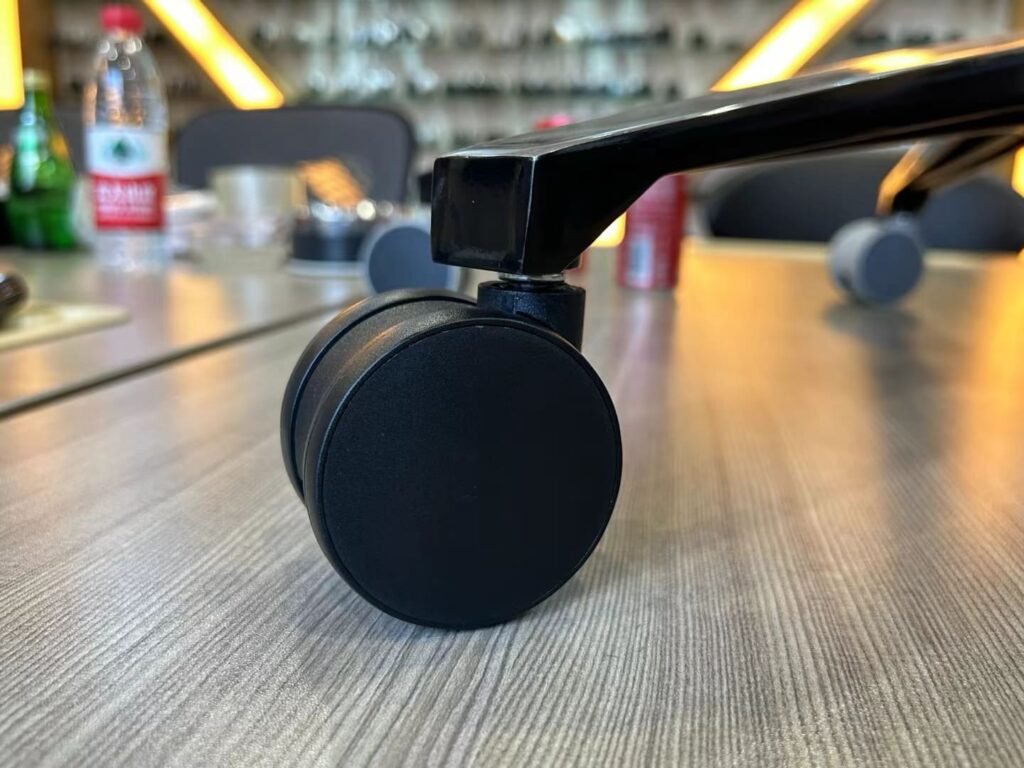
A castor is a wheeled device mounted to the bottom of each chair leg that allows the chair to roll and move easily. The basic parts of a castor include the wheel, the mount that attaches to the chair, and the stem that connects them.
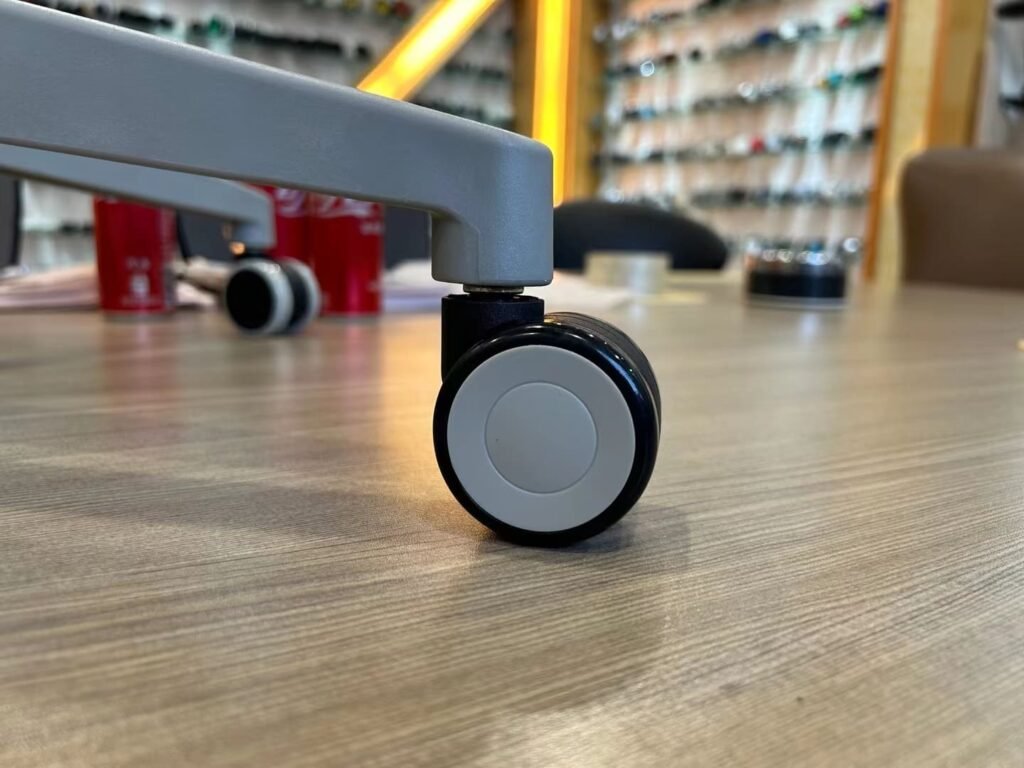
When I first started in this business, a client from France, a large distributor of office furniture, was having issues with a batch of chairs from another supplier. The complaint was simple: the chairs were “hard to move.” We discovered the issue was with the castors. They were standard, cheap plastic wheels that were completely wrong for the client’s carpeted office floors. This experience taught me that the castor is not just a wheel; it’s a key part of the chair’s overall performance and user experience. It needs to be chosen with as much care as the chair’s fabric or ergonomic features. A good castor glides smoothly, protects your floors, and makes your workday just a little bit easier.
Why are Office Chair Castor Wheels important?
Are the wheels on an office chair just a minor feature? Many think so, but they are vital for productivity, comfort, and even safety in a busy work environment.
Office chair castors are important because they provide mobility, enhance user comfort, and protect flooring. They allow users to move effortlessly, which increases efficiency and reduces physical strain on the back and legs. The right casters also prevent scratches and damage to floors.
I remember a conversation with Hans, a purchasing manager from a German company known for its high-quality material handling equipment. He was looking for heavy-duty castors for their new line of workshop chairs. He told me, “For our brand, reliability is everything. If a castor fails, it’s not just a small problem; it reflects on the quality of our entire product.” He was absolutely right. A good castor contributes to the chair’s stability and durability, making it a crucial component for any B2B buyer. For Hans, and for us, a castor isn’t just about movement; it’s about upholding a standard of quality.
Are office chair castors universal?
Thinking of replacing your office chair wheels? You might assume any caster will fit, but this can be a costly mistake. Not all castors are created equal.
No, office chair castors are not universally interchangeable. While many chairs use a standard stem size, there are variations in stem type, wheel diameter, and weight capacity that make compatibility an issue. It’s crucial to check these specifications before purchasing replacements.
I learned this lesson the hard way early in my career. We had a large order for a client in Spain. They wanted to upgrade the castors on their existing office chairs to a quieter, floor-friendly option. I thought it would be a straightforward swap. I was wrong. We shipped thousands of our best polyurethane castors, only to get a call that they didn’t fit. The stem size was off by a single millimeter. It was a logistical nightmare and a valuable lesson. Now, we always tell our clients, especially those buying in bulk, to measure carefully. That’s why we offer a range of stem sizes and types to fit nearly any chair, ensuring our clients get it right the first time.
What are four Common Types of Chair Castor Wheels?
Confused by the variety of office chair wheels on the market? Choosing the wrong type can lead to damaged floors or a chair that’s difficult to move.
The four common types of chair castor wheels are distinguished by their material: Nylon, Polyurethane (PU), Polyamide (PA), and Rubber. Each material offers different benefits in terms of durability, floor protection, and noise level, making them suitable for various office environments and flooring types.
As a manufacturer, we work with these materials every day. I often explain it to my clients like this: think of it as choosing tires for a car. You wouldn’t use racing tires for off-roading. Similarly, you shouldn’t use a hard nylon castor on a delicate hardwood floor. For Lenu in Italy, who values both quality and cost-effectiveness, our PU castors are often the best choice. They offer excellent floor protection and a quiet roll at a competitive price. For other clients with industrial settings, the durability of PA or the strong grip of rubber might be more suitable. Here is a breakdown of the most common types we produce:
| Caster Type | Best For | Key Features |
|---|---|---|
| Nylon | Carpeted floors | Durable, lightweight, and cost-effective. Rolls easily over carpet pile. |
| Polyurethane (PU) | Hardwood, laminate, tile | Soft, quiet, and protects floors from scratches. Often marketed as “safe for all floors.” |
| Polyamide (PA) | Industrial or extreme conditions | Very durable, resistant to water, cold, and heat. A versatile and cost-effective option. |
| Rubber | Hard and soft surfaces | Excellent grip, anti-slip properties, and good weight-bearing capacity. |
Understanding these differences is key to making an informed purchase.
How to Choose Right Chair Castor Wheels for your needs?
Choosing the right castors for your office chairs can be tricky. With so many options, how do you know which is the best for your specific needs?
To choose the right chair castor wheels, you need to consider several factors: the type of flooring, the chair’s weight capacity, and how the chair will be used. The wheel material and size should be selected based on whether the floor is carpeted or hard, and larger wheels generally offer a smoother roll.
When I consult with clients like Hans from Germany, the conversation is always very detailed. He needs to know the exact specifications to ensure the castors meet his company’s high standards. We discuss everything from the load capacity required for heavy-duty use to the specific material that will perform best on a workshop floor. For him, it’s not just about finding a castor that fits; it’s about finding the perfect solution. To help my clients make the best choice, I always walk them through these key factors:
Key Factors for Choosing Castor Wheels
- Floor Type: This is the most important factor.
- Carpet: Harder materials like nylon are best as they roll easily over carpet fibers.
- Hardwood, Tile, or Laminate: Softer materials like polyurethane (PU) or rubber are ideal because they protect the floor from scratches and are quieter.
- Weight Capacity: Consider the total weight the chair will need to support, including the user and any equipment. Standard office chairs usually have a capacity of 90 to 120 kg, but heavy-duty options are available for higher loads.
- Wheel Diameter: Common sizes range from 50mm to 75mm. Larger wheels roll more easily, especially over obstacles like carpet edges, and offer better durability.
- Installation Method: The stem that inserts into the chair base is crucial. Common types include grip ring, grip neck, and threaded stems. It’s essential to measure the stem diameter to ensure a proper fit.
By carefully considering these factors, you can select a castor that will provide years of smooth, reliable service.
Can you replace casters on an office chair?
Are your office chair wheels broken or damaging your floors? You might think you need a whole new chair, but there’s a much simpler and more cost-effective solution.
Yes, you can replace the casters on most office chairs. The process is usually straightforward and doesn’t require special tools. By removing the old casters and installing new ones, you can extend the life of your chair and improve its performance.
I often get calls from facility managers who are about to dispose of dozens of office chairs just because the wheels are worn out. I always tell them the same thing: “Don’t throw away a perfectly good chair! Let’s just replace the wheels.” It saves them a significant amount of money and is much better for the environment. The process is surprisingly simple. Here’s a basic guide:
How to Replace Your Office Chair Casters
- Turn the chair upside down: Lay the chair on its side or upside down to easily access the wheels.
- Remove the old casters: Most casters have a “grip ring stem” and can be pulled out with a firm tug. If a caster is stuck, you can use a flathead screwdriver to gently pry it out. For threaded stems, you’ll need to unscrew them.
- Verify the stem size: Before you buy new casters, it’s a good idea to measure the stem of the old one to ensure you get the right size. The most common size is 7/16″ (11mm) in diameter.
- Install the new casters: Push the stem of the new caster into the socket in the chair base until it clicks into place. For threaded stems, simply screw them in.
- Test the chair: Once all the casters are installed, turn the chair upright and test it to make sure the wheels are secure and roll smoothly.
It’s a quick fix that can make an old chair feel brand new.
Maintenence Tips of Office Chair Castor Wheels
Do your office chair wheels get stuck or squeak? This is a common issue caused by a buildup of dirt, hair, and other debris. Regular maintenance can keep them rolling smoothly.
To maintain office chair castor wheels, you should regularly clean them to remove hair and debris, and lubricate the bearings periodically. This prevents them from getting stuck, reduces noise, and extends their lifespan.
In our manufacturing facility, we see how even small amounts of debris can affect a castor’s performance. That’s why we emphasize the importance of maintenance to our clients. A little bit of cleaning can go a long way in preventing bigger problems down the line. It’s a simple way to protect your investment in your office furniture. Here are some easy tips to keep your chair wheels in top condition:
Simple Maintenance for Your Castors
- Regular Cleaning: At least once a month, turn your chair over and inspect the wheels. Use tweezers or pliers to pull out any tangled hair or debris. For a deeper clean, you can use a soft brush and warm, soapy water. Make sure the wheels are completely dry before reattaching them.
- Lubrication: If your wheels are squeaky or stiff, a little lubrication can help. Apply a silicone-based lubricant to the wheel’s axle. Avoid oil-based lubricants as they can attract more dirt.
- Check for Wear and Tear: Periodically check the wheels for any cracks or damage. If a wheel is damaged, it’s best to replace it to avoid any accidents or damage to your floors.
- Keep Your Floors Clean: Regularly sweeping or vacuuming your office floors can prevent dirt and debris from getting into your chair’s castors in the first place.
By following these simple tips, you can ensure your office chairs continue to roll smoothly and quietly for years to come.
Conclusion
In conclusion, choosing the right office chair castor is a small detail that has a big impact on comfort, productivity, and the longevity of your floors and furniture.